Walk into any old family home and you will find it, the framed family tree. A tangle of names, branches, and dates stretching from a humble ancestor to the present generation. It’s not just nostalgia; it’s a map of identity, continuity, and pride. In many ways, the family business works exactly like that tree. Its health depends on how deep the roots go and how wisely the branches grow.
Walk into any old family home and you will find it, the framed family tree. A tangle of names, branches, and dates stretching from a humble ancestor to the present generation. It’s not just nostalgia; it’s a map of identity, continuity, and pride. In many ways, the family business works exactly like that tree. Its health depends on how deep the roots go and how wisely the branches grow.
The Metaphor
The “Family Tree” is more than a poetic image. In business, it captures the delicate balance between roots (values, traditions, and founding purpose) and branches (new ventures, next-generation leaders, and diversification). Strong roots give stability; growing branches give reach. But if either is neglected, if roots decay or branches grow wild, the tree risks collapse.
Family businesses often start with a visionary founder who plants the first seed. Over time, the company grows tall, sometimes sprawling into multiple sectors and cities. The challenge begins when the next generation takes charge. How do you nourish growth without losing the original identity? How do you let new branches flourish without breaking from the trunk?
1st Case Study: Nishat Group, Pakistan
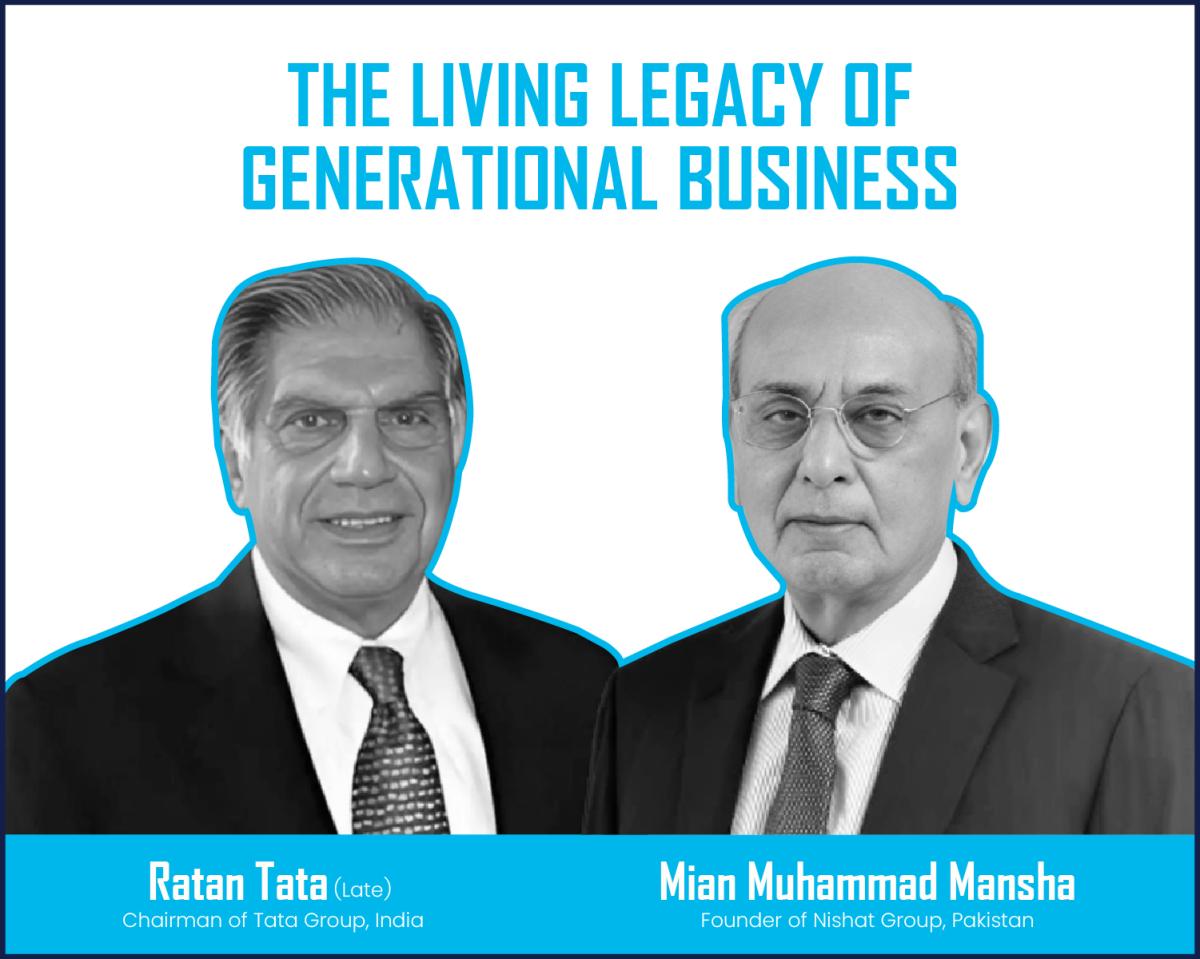
One of Pakistan’s most iconic business families, the Mansha family of Nishat Group, exemplifies the “family tree” metaphor. From a small textile operation founded by Mian Muhammad Yahya in the 1950s, the business has expanded into banking, power, insurance, and cement. Like the great banyan tree, Nishat’s strength lies in its multiple roots, each new venture is anchored in the group’s core philosophy of diversification, quality, and trust.
What remarkable is how the family governance has evolved. Mian Muhammad Mansha’s leadership style remains rooted in the founder’s principles of prudence and discipline, but the younger generation has been encouraged to branch into modern sectors such as fintech and renewable energy. The Nishat “tree” remains deeply rooted in Lahore’s industrial soil, but its canopy now shades entire industries.
2nd Case Study: Tata Group, India
Across the border, the Tata Group of India represents perhaps the most enduring example of a family tree that grew into a forest. Founded by Jamsetji Tata in 1868, the group has diversified across steel, automobiles, IT, and philanthropy. Its “roots” are ethical, the Tata Code of Conduct and commitment to nation-building. But every generation from J.R.D. Tata to Ratan Tata has added fresh branches: Air India, Tata Consultancy Services, and now electric mobility. What sustains Tata’s longevity is the Rooted Adaptability: the ability to reinvent while staying true to values. The tree continues to bear fruit because its roots remain healthy.
The Hidden Challenge
In South Asian family businesses, the biggest danger is not lack of growth, it’s overgrowth. When branches expand without coordination, confusion sets in. Cousins may run different divisions with little alignment. Decision making can become tangled, and the family’s identity diffuses. In nature, trees that grow too fast without strong roots topple easily during storms.
On the other hand, some family businesses cling so tightly to their roots that they refuse to branch out. Founders hesitate to empower the next generation or modernize. The result is stagnation; a tree that stops growing eventually starts dying.
Lessons from the Tree
- Nurture the Roots: Preserve the founder’s story, values, and guiding philosophy. Make them visible to every new entrant not as slogans, but as shared identity.
- Encourage New Branches: Let younger members experiment, take risks, and explore new sectors. Their innovation keeps the tree alive.
- Prune Wisely: Regularly review what no longer serves the business redundant ventures, outdated processes, or unaligned roles. Pruning isn’t loss; it’s renewal.
- Feed the Soil: Surround the family with capable professionals, advisors, and mentors. Good governance is the fertilizer that sustains long-term health.
- Celebrate the Canopy: Recognize that success is collective; the shade of the tree belongs to all who helped it grow.
Every family business starts as a seed; an idea planted by faith, watered by effort, and tested by time. Those that survive generations do so not by luck, but by tending their roots and branches with care. The family tree, then, is not just a symbol of lineage; it’s a living system that connects past, present, and future. It reminds us that in both nature and enterprise, growth is not measured by height alone, but by the strength of what lies unseen beneath the soil.