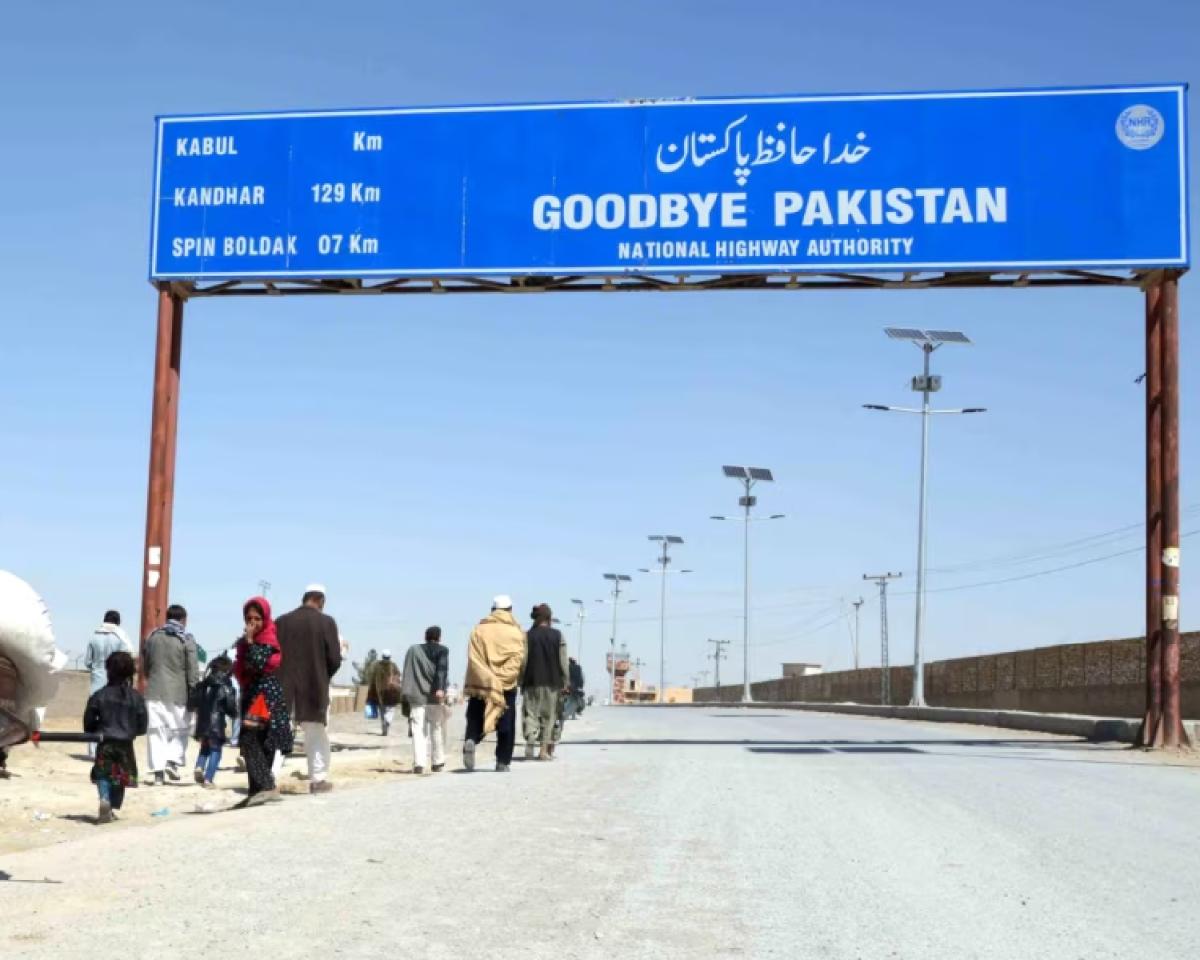
The closure of the Pak-Afghan border on 11 October 2025 once again exposed how deeply connected security decisions are with everyday economic life in Pakistan. For people living near the border, this was not just a policy move, it was a sudden shock. Trade stopped, movement was restricted, and daily income sources vanished overnight. Historically, any disruption along this border immediately affects markets, transporters, shopkeepers, and laborers, making the closure both an economic and humanitarian issue.
The closure of the Pak-Afghan border on 11 October 2025 once again exposed how deeply connected security decisions are with everyday economic life in Pakistan. For people living near the border, this was not just a policy move, it was a sudden shock. Trade stopped, movement was restricted, and daily income sources vanished overnight. Historically, any disruption along this border immediately affects markets, transporters, shopkeepers, and laborers, making the closure both an economic and humanitarian issue.
To understand why this border remains so sensitive, one must look at Afghanistan’s position in the region. Afghanistan is not a stable, single-power state but a contested geopolitical space. Global and regional powers such as the United States, China, Russia, Iran, and others have overlapping interests there. This competition weakens governance and creates uncertainty, especially along shared borders. For Pakistan, instability in Afghanistan directly translates into risks at its western frontier, forcing security-focused decisions like border closures.
The immediate trigger for the October 2025 closure was the threat of retaliation from militant groups operating across the border. Terror networks such as the TTP and IS-K exploit porous terrain and weak enforcement. In such conditions, border management becomes a security necessity rather than a political choice. Pakistan’s state institutions framed the closure as a defensive measure aimed at preventing attacks, not as an attempt to harm trade or civilians.
Over time, the Pak-Afghan border has shifted from a shared commercial corridor to a zone associated with smuggling, militancy, and illegal movement. What was once a mutual hub for food, fuel, livestock, and daily trade slowly became linked with lawless behavior and terrorism training routes. This erosion of trust damaged legitimate commerce and made stricter controls inevitable, even though ordinary traders and workers paid the highest price.
Another long-term factor is Pakistan’s role in hosting Afghan refugees over several decades. Following multiple wars in Afghanistan, Pakistan accepted millions of refugees on humanitarian grounds. While this decision saved lives, it also placed lasting pressure on jobs, housing, public services, and security. Unmanaged migration blurred the line between humanitarian movement and illegal activity, adding further strain to border management.
Anti-Pakistan elements operating from Afghan territory also contributed to insecurity. Decades of conflict normalized weapons and violence in the region, often described as the “Kalashnikov culture.” This environment made it harder to separate civilians, traders, refugees, and militants, increasing the state’s reliance on hard security tools rather than flexible trade arrangements.
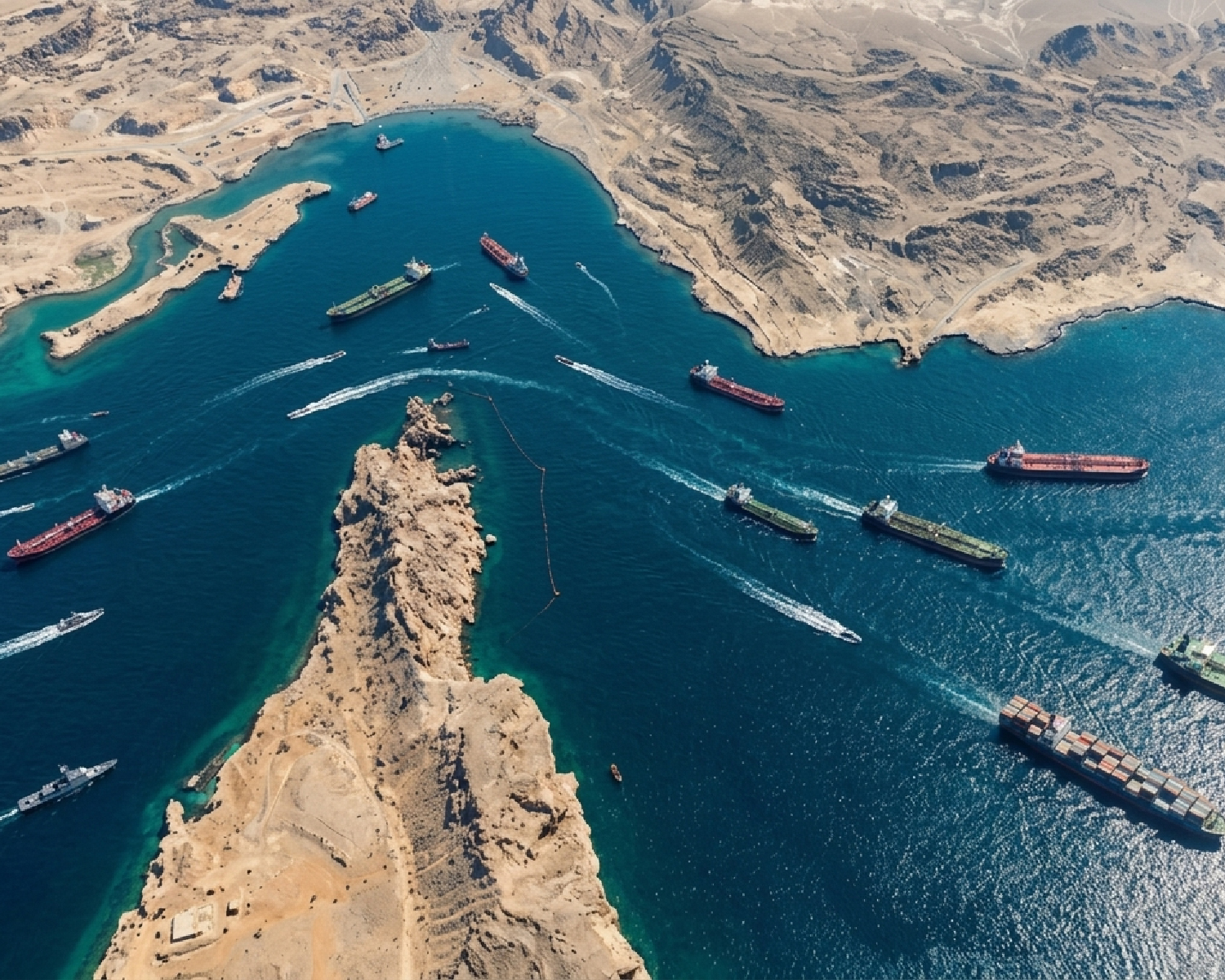
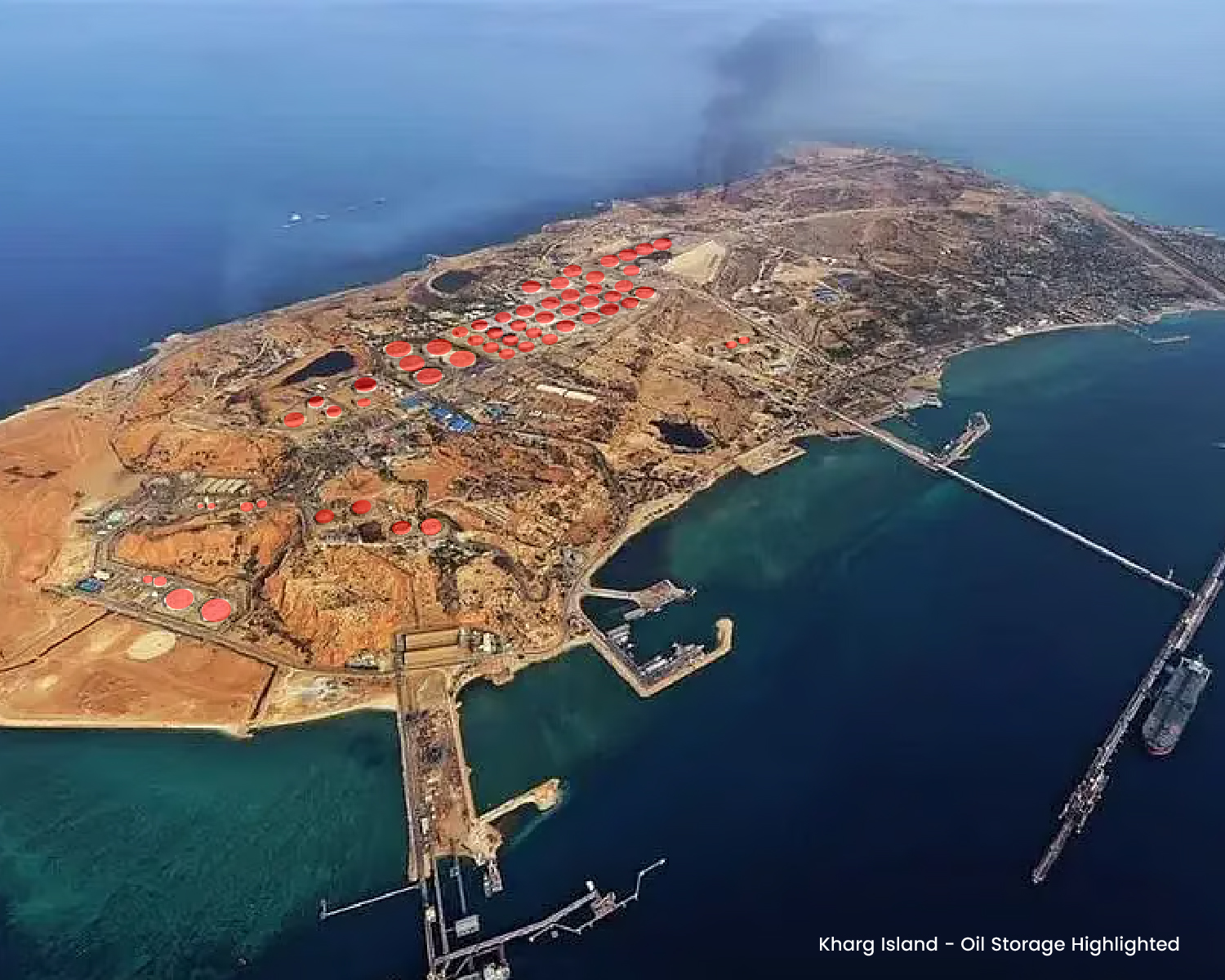
Trade figures show how costly this instability has been. Pak-Afghan trade peaked at $2.6 billion in 2010–11, but fell to $1.3 billion by 2019–20, and dropped further to $976.6 million by 2023. As Pakistan struggled with border disruptions, competitors stepped in. Iran’s Chabahar Port began offering savings of around $1,000 per container, pulling Afghan transit away from Pakistani routes and weakening Pakistan’s position as a regional trade corridor.
At the local level, the impact has been devastating. Daily wage earners that included thousands of men, women, and children lost an estimated PKR 13.3 billion over nine months, averaging more than PKR 115,000 per person per month. Middle-class livelihoods in towns like Chaman have largely disappeared, pushing economic stress deeper into Pakistan’s domestic markets.
Border closures also created severe price instability. Shortages of Afghan perishables caused sharp price increases, with onions reaching PKR 250–400 per kg and garlic touching PKR 600 per kg. At the same time, blocked exports led to domestic oversupply, crashing poultry prices from PKR 470 to PKR 350 per kg, hurting farmers. Smuggling expanded in the absence of a formal trade framework, costing the state an estimated $3 billion annually in lost revenue.
In conclusion, the closure of the Pak-Afghan border reflects a difficult trade-off between security and economic stability. While security threats are real, repeated closures harm civilians far more than militant groups. Without regional cooperation and long-term Afghan stability, border shutdowns will remain a recurring tool, one that continues to strain Pakistan’s economy and its people.