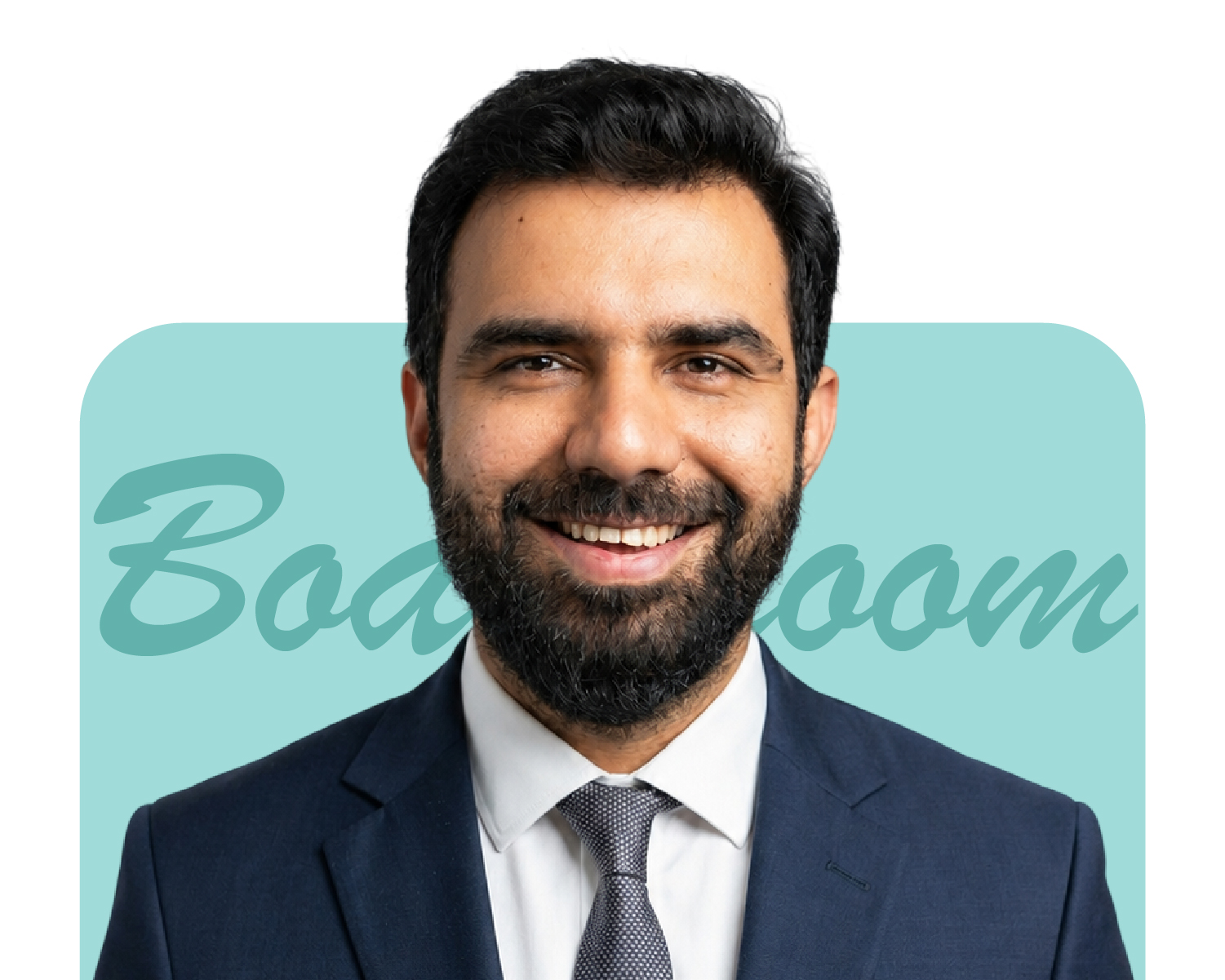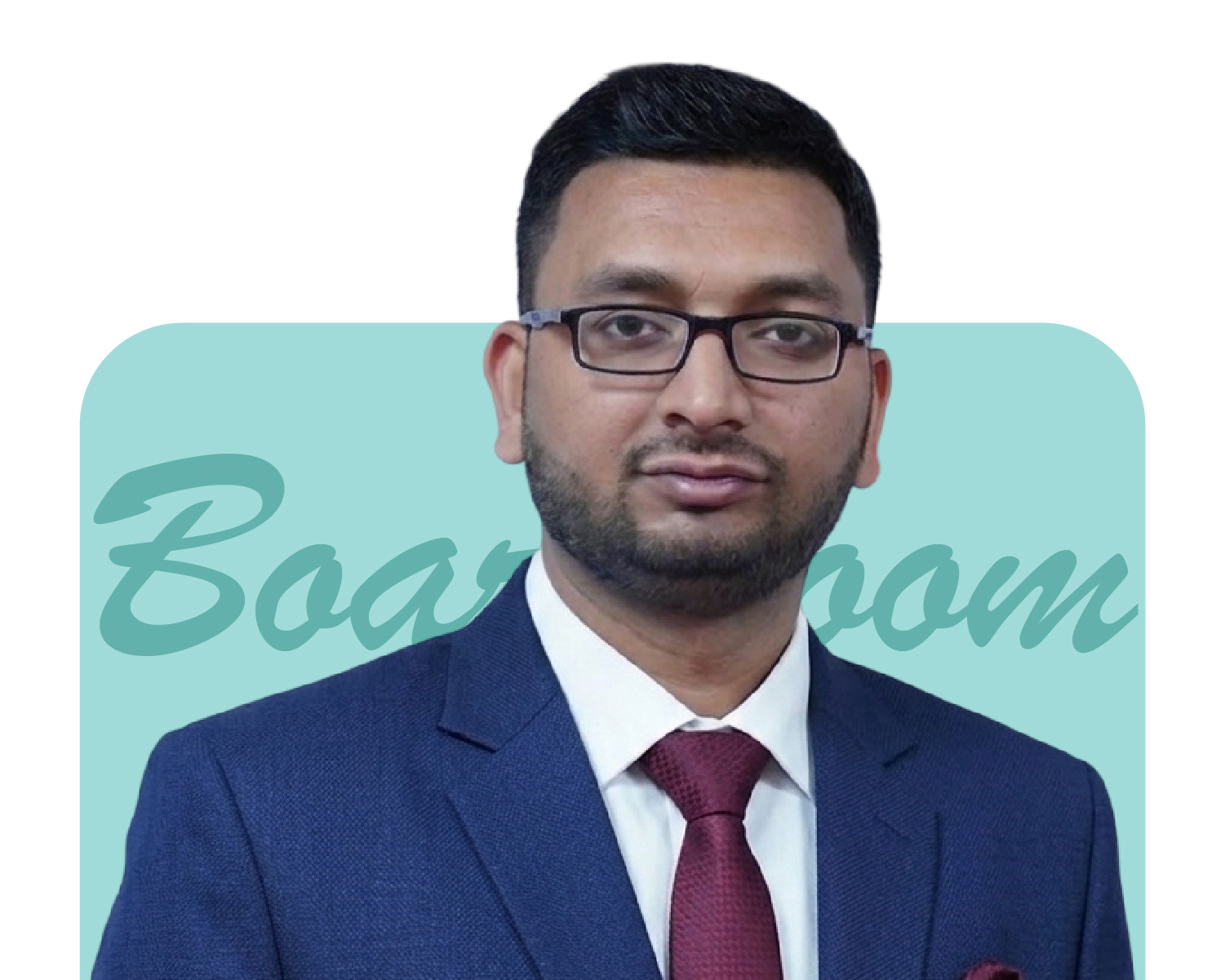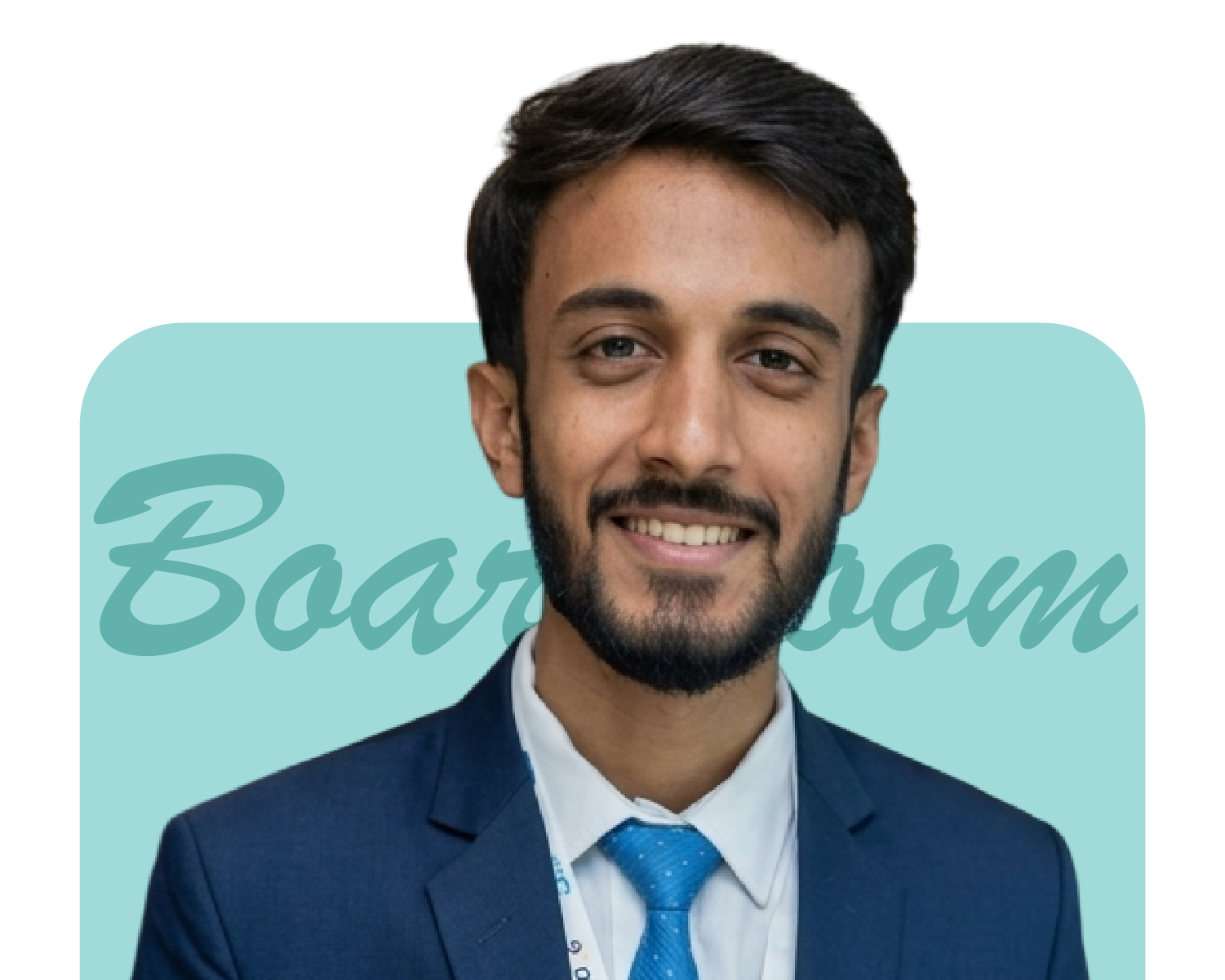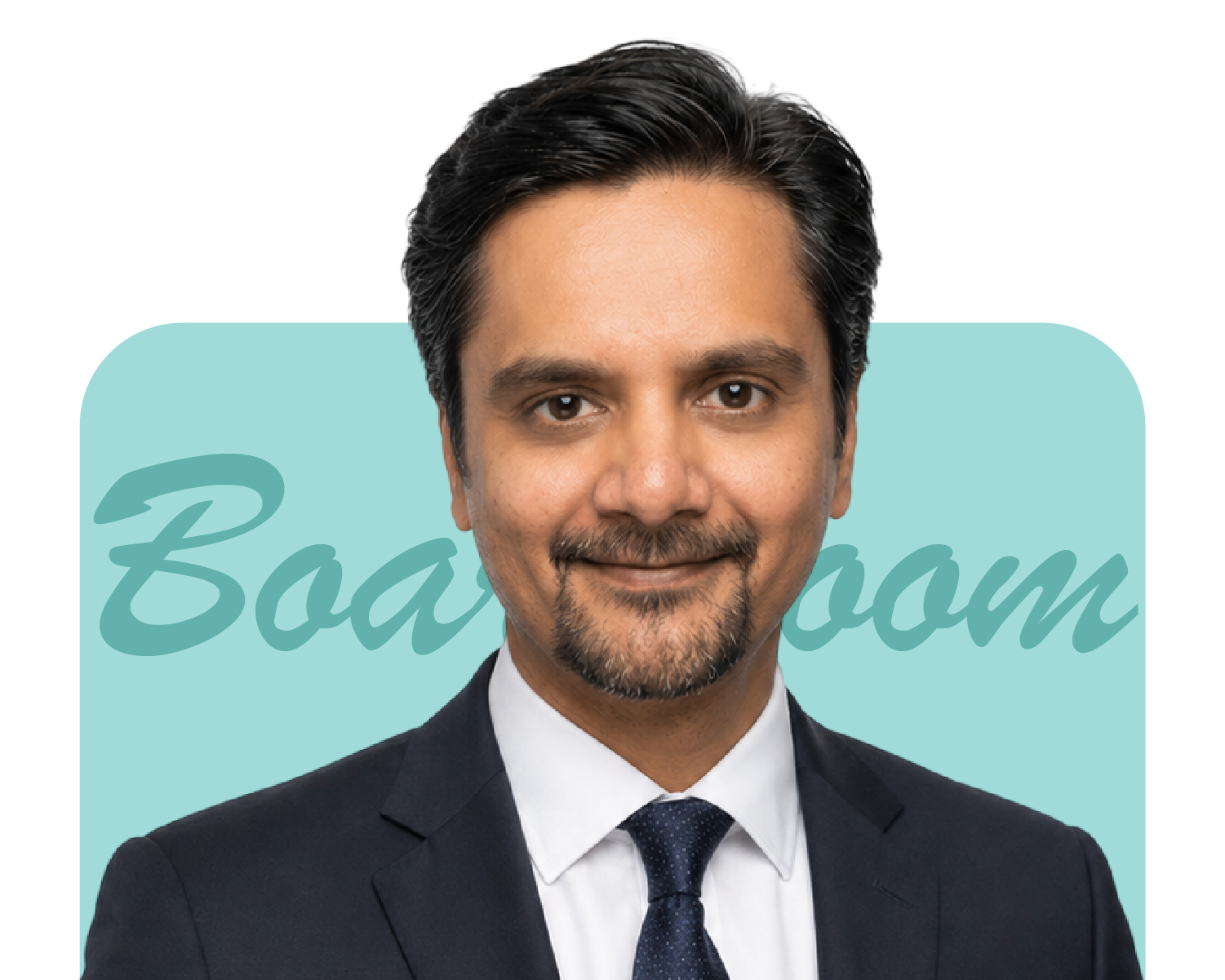

Mahir Company is part of a growing wave of technology-enabled platforms attempting to formalize Pakistan’s largely fragmented home services sector. Co-founded by Hamza Ashfaq, the company addresses a longstanding structural gap in the market, where essential services such as plumbing, electrical work, cleaning, and home maintenance have traditionally operated through informal and inconsistent channels. By combining digital infrastructure with verification systems, technician training, and operational oversight, Mahir Company is positioning itself not merely as a service marketplace, but as a scalable ecosystem focused on trust, reliability, and professionalization.
Boardroom: What core gap in household services led to the creation of your company?
Hamza Ashraf: The idea emerged from a combination of personal exposure and market observation. After completing my graduation, I was exploring potential career directions and realized that while many sectors were saturated or unclear, the blue-collar services segment remained largely unstructured and underserved. Coming from a background where I had exposure to industry through my father, I understood the importance and scale of this segment. Services such as electrical work, plumbing, carpentry, painting, and cleaning are essential to everyday life, yet they operate in a fragmented and informal manner. There was a clear gap in terms of organisation, reliability, and accessibility. This led to the creation of a platform designed to bring structure, standardization, and trust into the handyman services market.
Boardroom: How would you describe your business model and positioning within this sector?
Hamza Ashraf: We operate as a technology-enabled platform connecting customers with skilled service providers across multiple verticals, including home maintenance, HVAC, home cleaning, at-home salon services, and specialized hygiene solutions. While the sector is traditionally non-digital, we introduce a strong technology layer through our apps, AI-driven operations, smart technician allocation, and quality assurance systems to enhance accessibility, efficiency, and trust. Beyond being a service marketplace, we position ourselves as a full-stack technology company also focused on training and ecosystem development. With operations across Lahore, Islamabad, Rawalpindi, and Karachi, we are building a scalable, structured ecosystem that modernizes and formalizes the home services industry in Pakistan.
Boardroom: What were the key pain points in the traditional system that you aimed to resolve?
Hamza Ashraf: The traditional system is highly informal, leading to major challenges around trust, reliability, and transparency. Customers often face uncertainty about a technician’s skill level, identity, pricing, and service quality, along with safety concerns. On the other hand, service providers struggle with inconsistent work, lack of professional recognition, and limited opportunities for growth. We address these gaps through a structured, technology-driven approach that includes verification processes, background checks, skill assessments, and training programs, along with standardized service delivery. This creates a more reliable, transparent, and trustworthy ecosystem for both customers and service professionals.
Boardroom: How do you ensure quality and reliability within your network of technicians?
Hamza Ashraf: Quality assurance is a multi-layered process. We begin with verification, ensuring that every technician is properly identified and documented. This is followed by technical assessments to evaluate their skill level. In addition, we provide training and certification opportunities to help them improve their capabilities. Performance is continuously monitored through customer feedback and service ratings, creating a system of accountability. This structured approach allows us to maintain consistency while also enabling technicians to grow professionally within the platform.
Boardroom: What challenges did you face while building this startup?
Hamza Ashraf: One of the biggest challenges was introducing technology into a traditionally non-digital sector, where many service providers were initially unfamiliar with digital tools, requiring significant effort in onboarding and training. Building customer trust was another critical hurdle, as convincing users to rely on an app for household services demanded consistent quality and strong support. Alongside this, operational complexities such as managing mobility, logistics, and cost efficiency remain ongoing challenges, particularly in ensuring technicians reach customers on time while maintaining affordable pricing.
Boardroom: How does your platform compare with global models such as ride-hailing or service marketplaces?
Hamza Ashraf: The model shares similarities with platforms that act as intermediaries, connecting users with service providers. However, the complexity in our case is higher because services are more varied and often require technical expertise. Unlike ride-hailing, where the service is relatively standardized, handyman services differ in scope, duration, and skill requirements. This makes quality control and standardization more challenging. Our approach combines marketplace dynamics with training, verification, and operational oversight to ensure a consistent user experience.
Boardroom: What is your revenue and pricing strategy in a price-sensitive market?
Hamza Ashraf: Customers in this segment are highly sensitive to both cost and value. They are willing to pay a premium only if it addresses key pain points such as reliability, safety, and convenience. Our pricing strategy is designed to remain competitive while reflecting the quality of service provided. We also focus on cost optimization, particularly in areas such as logistics and operations, to maintain affordability. In international markets, service pricing is significantly higher, which creates both a challenge and an opportunity. The key is to position our services as cost-effective yet high-quality solutions.
Boardroom: How do you see user behavior evolving in this space?
Hamza Ashraf: Users are increasingly willing to pay for convenience and reliability. The primary drivers are availability, trust, and transparency. A customer today values the ability to book a service quickly, track the provider, and receive a guaranteed level of quality. The traditional model, where services are arranged through informal networks, is gradually being replaced by structured platforms. This shift is particularly evident among urban users who prioritise time efficiency and service consistency.
Boardroom: What is your vision for expanding beyond core home maintenance services?
Hamza Ashraf: Our vision is to strengthen and scale the full spectrum of services we already offer beyond core home maintenance, including home cleaning, HVAC, at-home salon services, and specialized hygiene solutions. Rather than entering new categories prematurely, our focus is on deepening these existing verticals by improving service quality, expanding coverage, and enhancing the customer experience through technology and automation. As we continue to build trust and operational excellence, we aim to further integrate and optimize these services into a seamless, all-in-one platform, ensuring sustainable growth while maximizing value for both customers and service professionals.
Boardroom: How do you view the role of technology and digital adoption in this sector going forward?
Hamza Ashraf: Technology is central to the transformation of this sector. From booking and payments to tracking and feedback, digital tools enhance every aspect of the service experience. However, adoption must be gradual and supported by education and training. Both customers and service providers need to be comfortable with the technology for it to be effective. The future lies in creating integrated platforms that combine service delivery with financial solutions, data insights, and customer engagement.
Boardroom: What strategic advice would you offer to entrepreneurs entering similar markets?
Hamza Ashraf: The most important factor is to deeply understand the problem before attempting to solve it. In service-based businesses, operational execution is as important as the idea itself. Entrepreneurs should focus on building trust, ensuring quality, and maintaining consistency. Technology can enable scale, but it cannot replace operational discipline. Finally, patience and adaptability are essential. Markets evolve, and successful businesses are those that continuously learn and refine their approach.