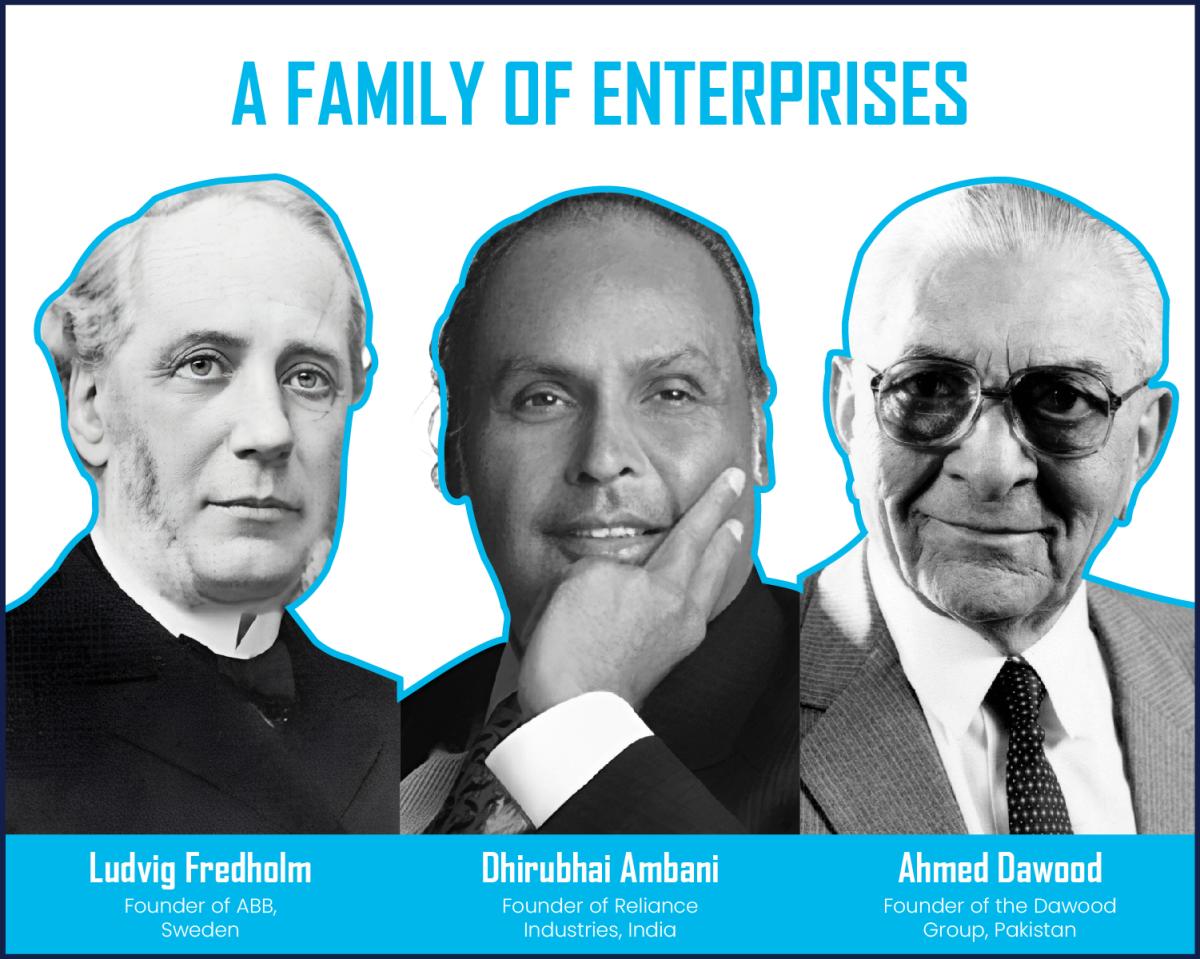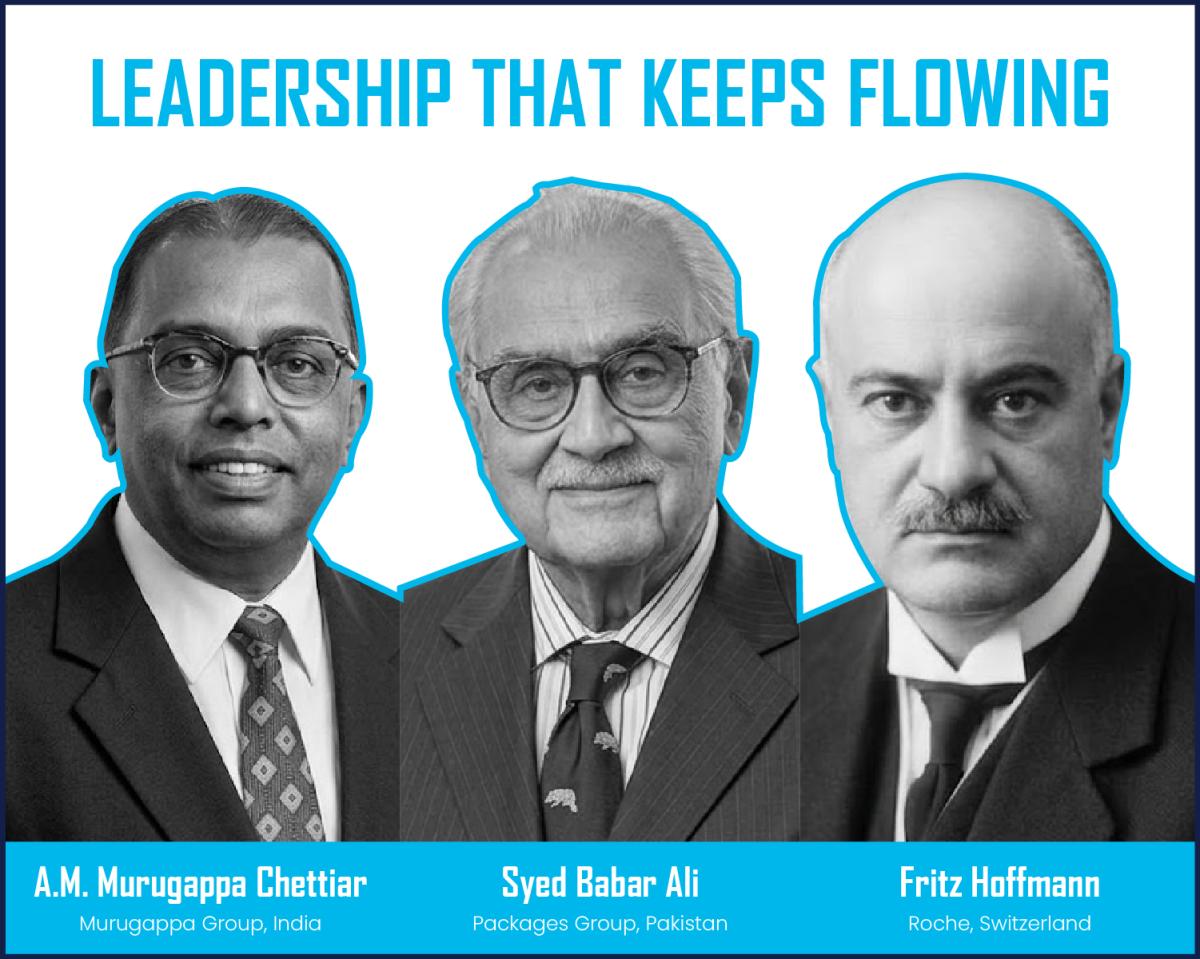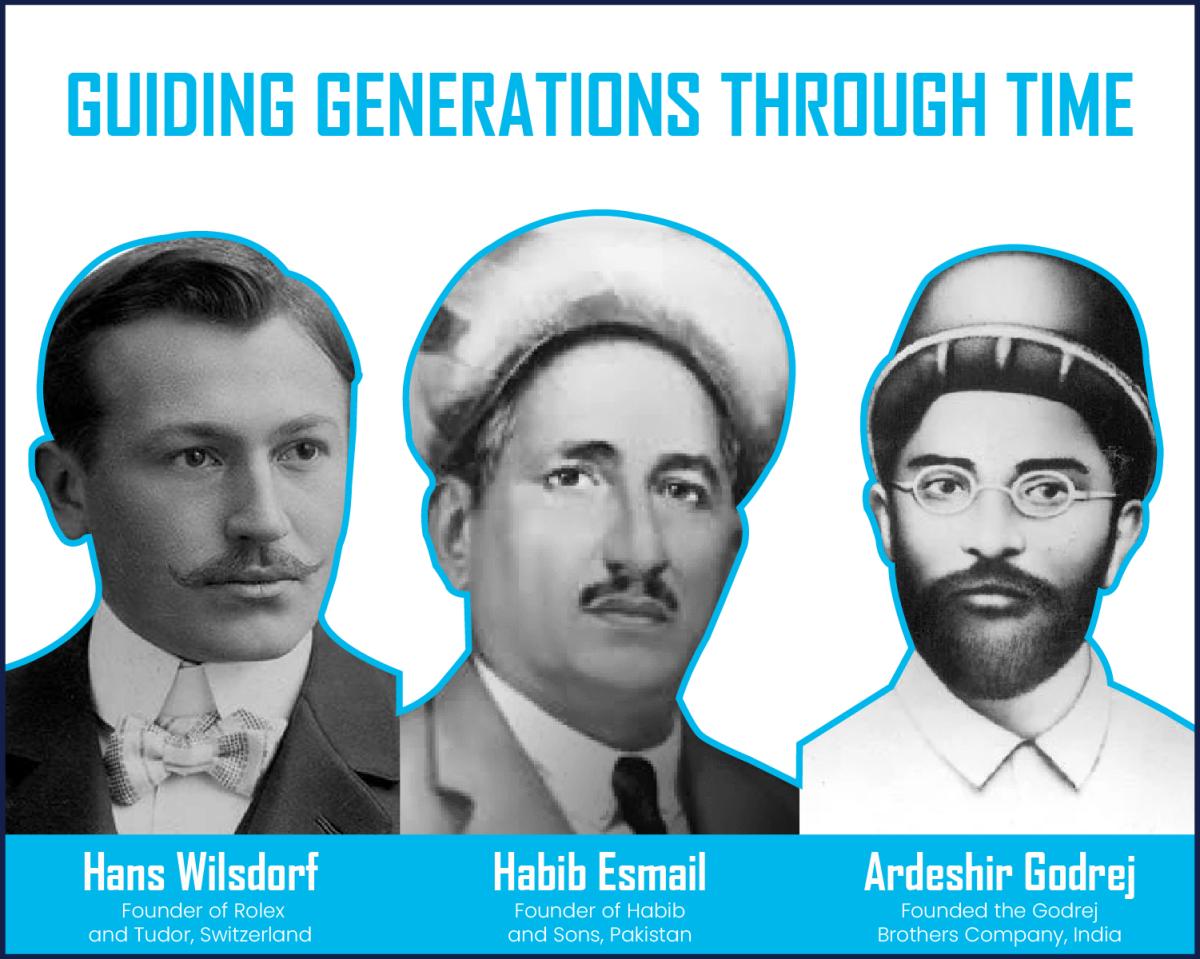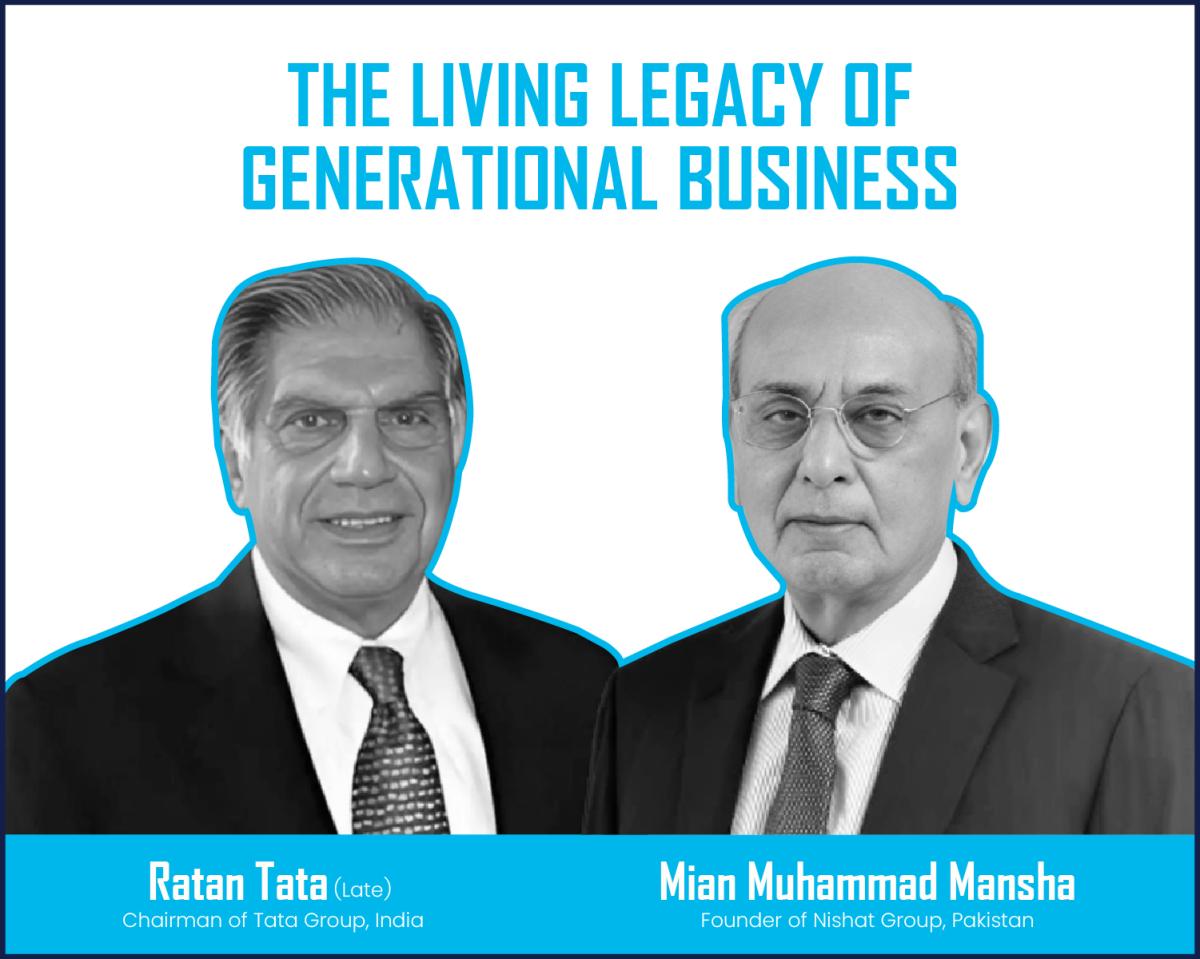
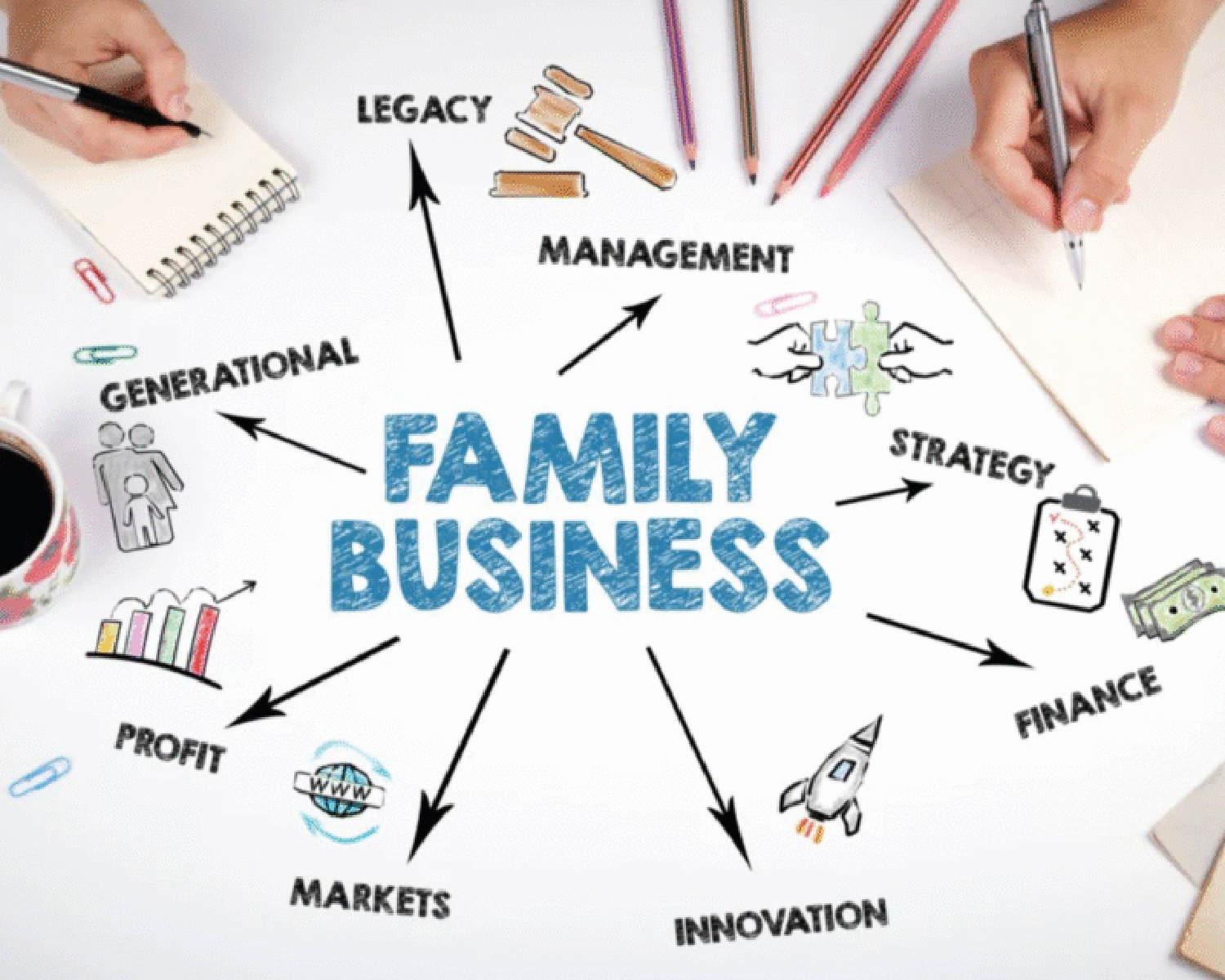
A champion family is a business owning family that has deliberately invested in its growth, both as a family and as an enterprise, creating long-term, multigenerational success. These families don't evolve by change. They are often shaped by a family champion; an individual who inspires participation, strengthens capabilities, and encourages shared commitment across the wider family. By studying high-performing business families, several defining characteristics and practical behaviours emerge. Together, these offer a useful framework for understanding, comparing, and evaluating family enterprises.
Core Traits of Champion Families: Champion families consistently demonstrate seven (07) hallmark qualities:
1. Leadership
Visionary leaders inspire long-term thinking, innovation, and continuous improvement.
2. Purpose
A unifying mission is shared by both the family and employees, sustaining the enterprise through generations.
3. Values
Clear values shape culture, influence choices, and guide decision-making.
4. Governance
Competent, objective, and fair-minded governance protects the interests of both family and business.
5. Education
Lifelong learning is embraced as a principle, helping the family stay ahead of economic, social, and technological shifts.
6. Communication
Transparency and open dialogue are encouraged across both business operations and family relationships.
7. Relationships
Trust, mutual respect, compromise, and forgiveness form the foundation of internal dynamics.
Practical Elements Seen in Champion Families: These traits are reflected in observable behaviors and structures:
1. A Proven Track Record
They build capabilities, structures, and foresight that support both family unity and business success. Over time, they meet challenges constructively and create enduring value.
2. A Forward-Looking Mindset
Even after success, they keep investing in their own development. They remain proactive, resisting the temptation to rely on past achievements.
3. Commitment to Continuous Learning
Champion families invest time and resources in education across financial, interpersonal, and individual dimensions, ensuring they grow alongside the business.
4. Willingness to Learn from Others
They don’t reinvent the wheel. Instead, they study successful business families and adapt proven ideas to their own context.
5. A Systemic Approach
They build aligned structures that support ownership and engagement, such as family councils, boards with independent directors, committees, and leadership roles.
6. Strong Conflict Management
Rather than letting tensions escalate, they address disagreements directly and constructively. They learn from conflict and use those lessons to build lasting harmony.
7. Leadership by Family Champions
Their progress is not accidental. It starts with individuals who take initiative, inspire others, and move the family toward effective ownership and stewardship. Over time, as the family becomes more capable collectively, reliance on one central figure may lessen.
Built on Proven Research: The concept of champion families builds on decades of respected work in the field of family enterprise:
• John L. Ward and Randel Carlock introduced the idea of the “enterprising family,” emphasizing values, vision, strategy, investment, and governance as pillars of long-term success.
• Isabelle Le Breton-Miller and Danny Miller highlighted the importance of intentional resource commitment and a strong ethos for continuity.
• Dennis Jaffe’s “Good Fortune” research studied 100-year family businesses and found common traits such as shared values, adaptive thinking, and active human capital development.
Our understanding aligns with and extends these insights—especially by emphasizing the role of the family champion, and how individual leadership evolves into a broader family culture of excellence.
Why Champion Families Matter: In essence, successful business families don’t focus on just one part of the system; they strengthen all the moving pieces over time. The seven elements identified here, many of which overlap with established research are the most critical for continuity and long-term success across generations. With a clear understanding of what defines family champions and champion families, we can better examine their significance in shaping the future of family enterprises.