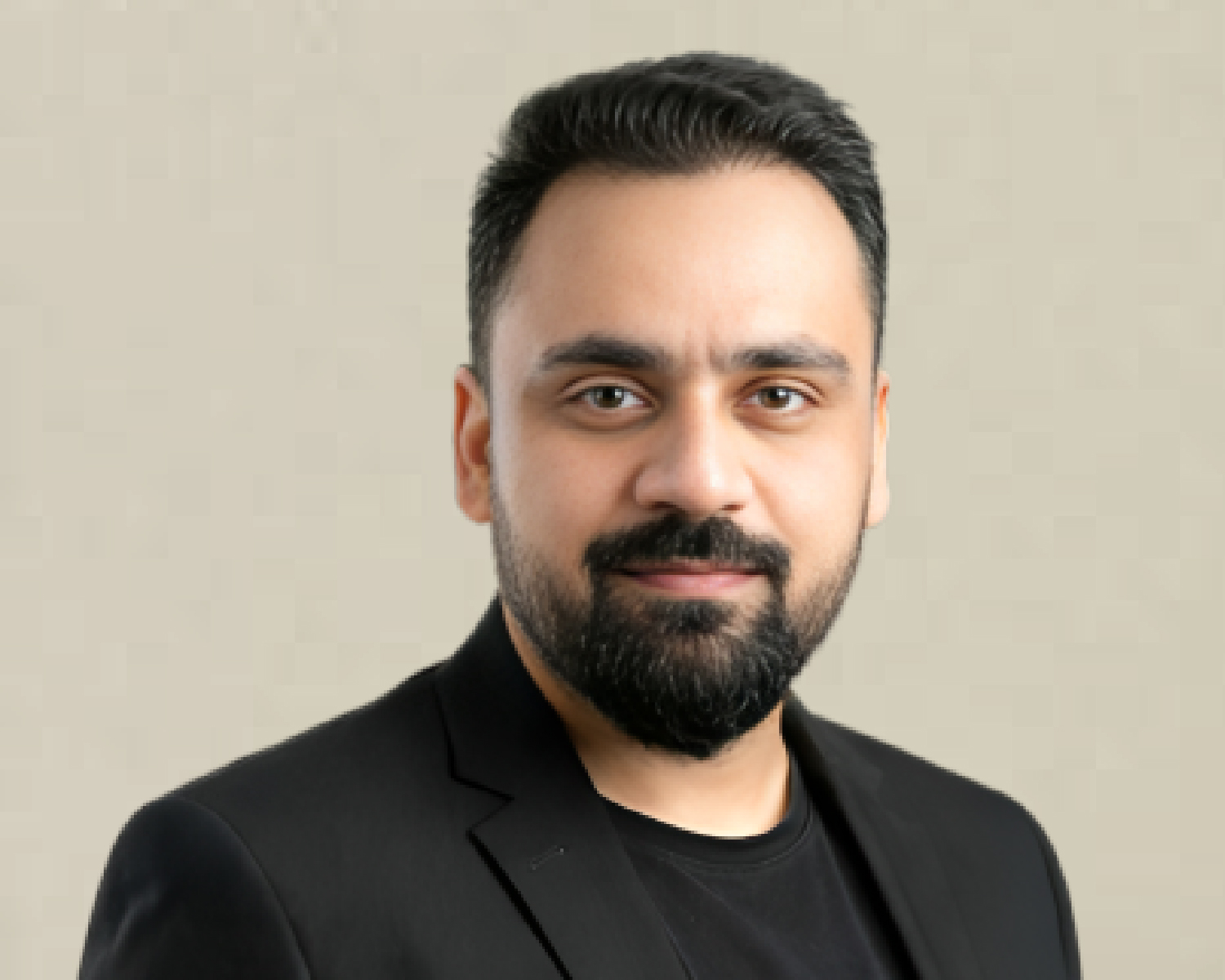
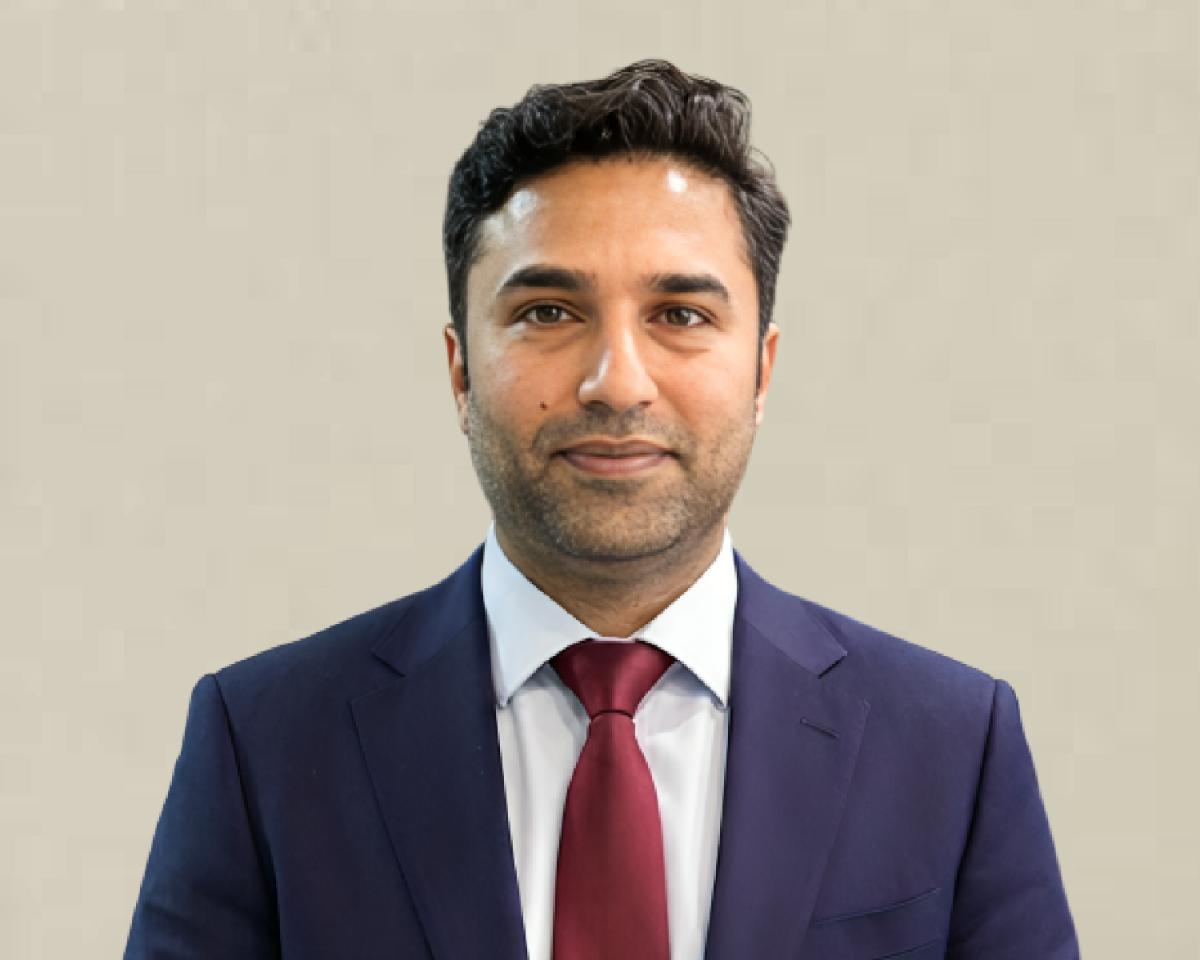
Dr. Adnan’s professional journey reflects an unusual yet compelling transition from medicine to technology entrepreneurship. Trained as an MBBS doctor and raised in a family that valued education as a pathway to opportunity, his early career was shaped by the healthcare sector. Over time, his family expanded into healthcare services in the United States, building multiple companies that collaborate with medical professionals and public institutions across several states. While managing these operations, Dr. Adnan encountered persistent challenges related to talent availability, data management and operational efficiency. These challenges gradually led him toward the technology sector, where he began exploring digital solutions to improve healthcare workforce management and organizational processes.
Boardroom: You are an MBBS doctor by education, yet today you are working as a technology entrepreneur. What led you to move from medicine into the tech industry?
Dr. Adnan: The initial credit goes to my father. He is also an MBBS doctor and has always been deeply committed to education. Our family originally comes from a small village near Mandi Bahauddin called Helan. Despite the modest background, my father strongly believed that education could change the course of our lives, and that belief shaped my journey.
Over time, our family moved and eventually became involved in business. Around 2009–10 we entered the healthcare services sector in the United States. Today we operate four healthcare-related companies and work with government and healthcare institutions across several states including California and New York. Our work involves collaborating with various medical professionals such as psychologists, pediatricians, radiologists and other specialists at both state and county levels.
Boardroom: What were the major operational challenges in running healthcare businesses in the United States?
Dr. Adnan: The biggest challenge has always been human resource management. Healthcare institutions constantly require qualified professionals, and identifying the right talent in the right geographic location is not easy. We had to continuously analyze data, understanding where doctors are located, how many specialists are available in a particular region, and how quickly we can reach them.
Traditional methods such as advertisements, email campaigns, job portals, conferences and networking with doctors were all tried and tested. However, even with these channels the available data was often insufficient. Recruitment in healthcare also requires strict credential verification and compliance with regulations set by hospitals and government departments. Sometimes positions must be filled within a day, which makes the process even more complex. Over time we realized that the real challenge was not just recruitment but the availability and accuracy of data.
Boardroom: Is this challenge what pushed you toward the technology sector?
Dr. Adnan: Exactly. As our healthcare businesses grew, we realized that technology could solve many of these inefficiencies. We needed systems that could manage data, streamline processes and provide faster solutions. That realization led us to explore the technology sector.
However, moving into tech was not easy. I do not come from a software engineering background, so understanding the dynamics of the IT industry took time. Learning how software teams operate, how engineers think, and what kind of working environment helps them perform at their best was a major learning curve.
Boardroom: What were some of the personal and organizational sacrifices involved in building this technology venture?
Dr. Adnan: One of the biggest sacrifices has been on the family side. Our business operations still run in the United States, so for the last four years our family has essentially been living between two countries. My father spends a significant amount of time there while I focus on building operations here in Pakistan. We travel frequently to maintain both sides of the business. That separation is not easy, but we see it as a contribution toward building something meaningful. If we succeed in creating a strong technology platform from Pakistan, the sacrifice will be worth it.
Boardroom: What challenges did you face while building your technology team?
Dr. Adnan: Building the right team was perhaps the most difficult part. Understanding the psychology of software engineers, developers and marketers takes time. In fact, the team we have today is our fourth major team. Earlier teams did not work out for different reasons, and those experiences taught us important lessons about hiring and trust.
Now, we focus heavily on accountability and transparency. When we assign a task or a goal, we trust our team members to deliver, but we also ensure there are checks and balances in place. Everyone must be responsible for the work they produce.
Boardroom: How do you balance innovation with reliability when developing technology products?
Dr. Adnan: Innovation is important, but durability and dependability are equally critical. Technology evolves quickly, especially with artificial intelligence and machine learning, but a product must also be stable and reliable for users.
Our approach is to focus strongly on user experience. A product must be simple, secure and efficient. It should require minimal maintenance while maintaining strong security systems such as firewalls and reliable server infrastructure. In our view, innovation should ultimately lead to dependability. If a product cannot sustain itself over time, innovation alone is not enough.
Boardroom: Coming from a medical background, how has your perspective on leadership evolved while working in technology?
Dr. Adnan: My leadership philosophy is built around continuous learning. Until the last day of your life, you are incomplete if you stop learning. The world changes every day and innovation happens constantly, so leaders must keep updating themselves.
Another important element is transparency. When we hire senior managers or directors, I personally participate in the interview process. Even though it can be tiring, it allows me to understand the capabilities and mindset of the people joining the organization.
Surrounding yourself with experienced and capable individuals is essential, especially when entering a field outside your original expertise.
Boardroom: What advice would you give to young professionals who want to move into technology entrepreneurship?
Dr. Adnan: The first step is building a strong foundation of knowledge. Today learning resources are widely available; online courses, lectures, forums and platforms such as YouTube provide easy access to knowledge. Even spending an hour daily learning new concepts can make a big difference over time.
Secondly, entrepreneurs must focus on hiring people who are more skilled and experienced in their respective domains. A strong team becomes the backbone of any successful venture. Finally, patience is essential. Building a meaningful technology product is a long journey, but with the right learning mindset and the right people around you, it becomes achievable.