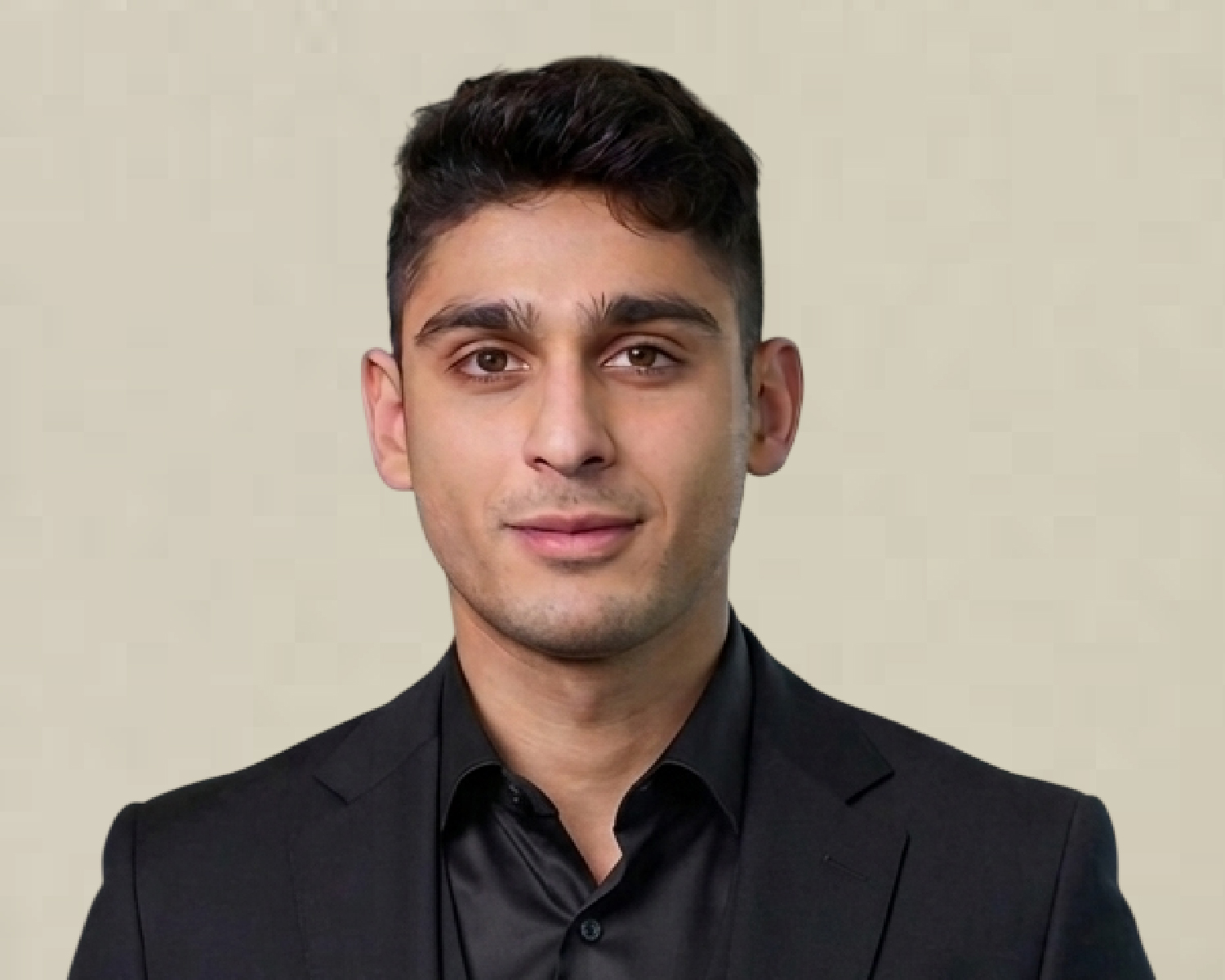
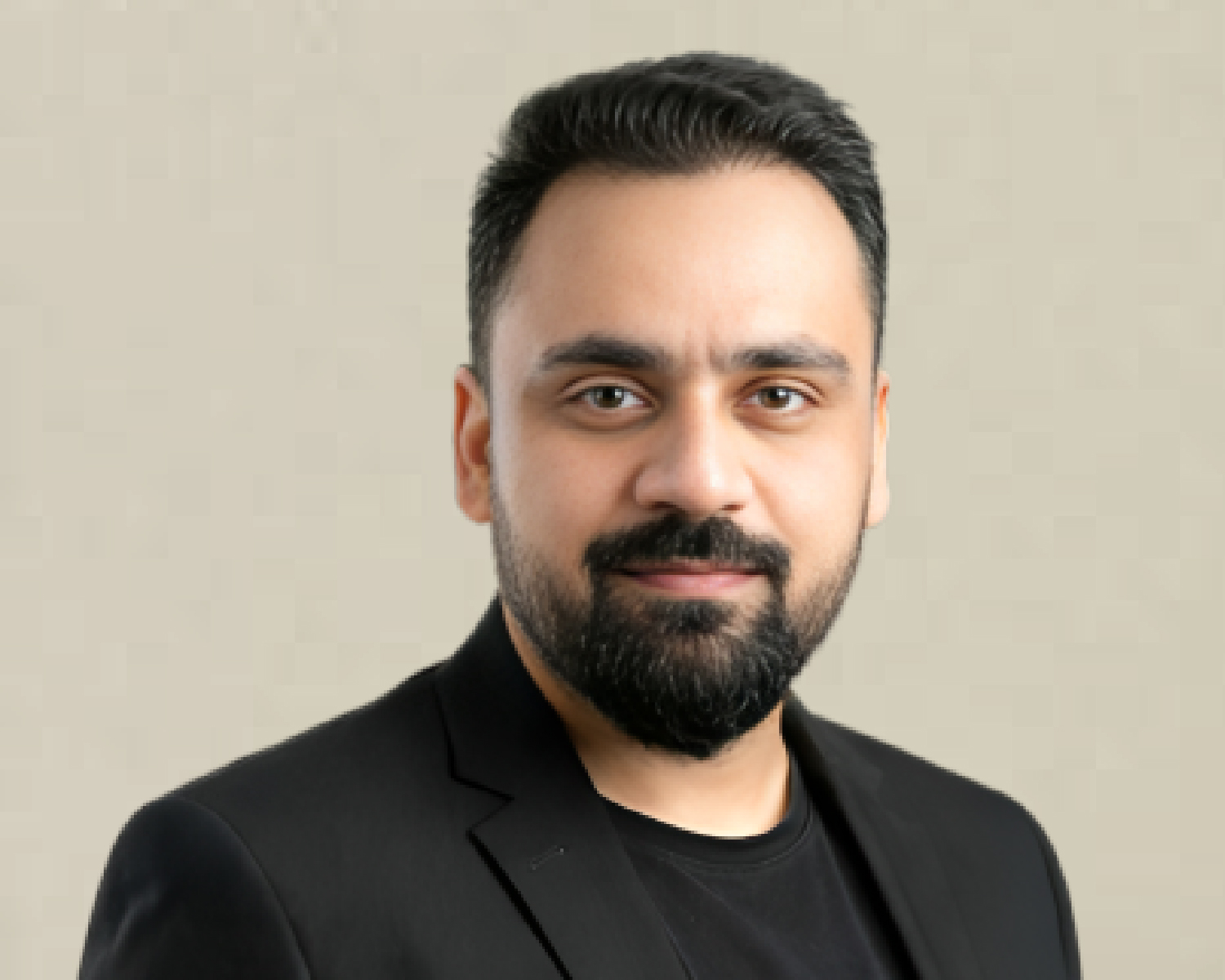
As artificial intelligence continues to reshape business operations globally, voice automation is emerging as one of the most transformative frontiers. In this conversation, we speak with Hamza Israr, CEO of NexaVoxa, a next-generation AI-powered voice platform that is redefining how organizations manage customer interactions. From eliminating the constraints of traditional call centers to enabling real-time, multilingual, human-like conversations at scale, NexaVoxa represents a significant leap in enterprise communication. In this interview, Hamza shares the journey behind building the platform, the market realities that shaped its evolution, and his perspective on the future of AI-driven business ecosystems.
Boardroom: Before we begin, could you briefly introduce NexaVoxa?
Hamza Israr: NexaVoxa is an AI voice automation platform designed to transform how businesses handle conversations with customers. It enables organizations to deploy intelligent voice agents that can answer calls, qualify leads, schedule appointments, provide support, and handle large volumes of conversations in real time. The platform combines advanced speech recognition, large language models, and real-time voice streaming to create natural, human-like conversations. Our goal is simple: allow businesses to scale customer communication without scaling human call centers.
We initially built a simple AI voice agent for our own internal use, just to handle phone conversations. But the results were surprisingly good. The real validation came in 2025 at GITEX in Berlin, where we showcased NexaVoxa publicly and the response made us realize this could become a global product.
That moment pushed us to expand the project into a full platform. Today NexaVoxa is evolving into an enterprise-grade AI voice automation platform built from Pakistan for the global market, helping businesses scale customer conversations through intelligent AI agents.
Boardroom: What is the meaning behind the name “NexaVoxa”?
Hamza Israr: The name combines two ideas. “Nexa” refers to the next generation, while “Voxa” is derived from the word voice. Together, NexaVoxa essentially represents the concept of “Next Generation Voice,” which aligns with our goal of redefining how voice communication works in business operations.
Boardroom: What market gap inspired you to create this AI-driven voice platform?
Hamza Israr: The idea actually emerged from our own operational challenges. We run a service-based technology company and frequently made sales calls to businesses in the United States. For that purpose, we had built a contact center in Pakistan. However, managing a traditional call center brought several persistent challenges, particularly hiring, training, and retaining staff. Agent turnover was high, as employees often switched jobs for slightly better salaries. This created a continuous cycle of recruitment and training that was both expensive and inefficient. I had been thinking about the possibility of automating conversations since around 2017, but the technology simply wasn’t ready at that time. The breakthrough came in 2022 and 2023, when large language models began supporting real-time audio capabilities. Suddenly, the technology had matured enough to support the vision we had been exploring for years. We began development in September 2023 and built our first AI voice agent. We tested it by connecting it to live calls in English and trained it using contextual conversation data. The system started performing remarkably well, and when we demonstrated it within our professional network many people were genuinely surprised by how capable it was.
Boardroom: How is your AI voice agent different from traditional IVR systems or chatbots?
Hamza Israr: Traditional IVR systems operate through static menus where callers are asked to press numbers for different departments. These systems do not actually understand the user’s problem. NexaVoxa works differently. Our AI voice agent interacts conversationally with callers, understanding context and responding naturally. It can ask follow-up questions, collect necessary information, and guide the conversation in a way that feels much more human. For example, if someone calls during an emergency situation, the AI can respond empathetically, gather details such as location and the nature of the issue, and direct the caller accordingly. The interaction becomes a conversation rather than a rigid menu navigation. That said, we still include traditional IVR functionality because many organizations require structured routing between departments.
Boardroom: What languages can the platform support?
Hamza Israr: The platform currently supports around 150 languages and dialects. Initially we tested it in English, Urdu, and Punjabi, but we later discovered that the system could handle many additional languages. During a demonstration at GITEX Berlin, participants tested the platform using Turkish, Japanese, Dutch, French, Arabic and several other languages. In Pakistan we have tested it with Urdu, Punjabi, Pashto, Balochi, Sindhi, and Seraiki.
Boardroom: Which industries have shown the strongest response to NexaVoxa?
Hamza Israr: Initially we did not target a specific industry. Since we already worked with American businesses, we approached a broad range of sectors. However, we quickly noticed strong demand from small service-based businesses such as plumbers, electricians, contractors, and field service professionals. These professionals spend most of their time working on-site and often miss phone calls while they are busy. Missing a call frequently means losing a potential customer. Many of these businesses cannot afford a full-time receptionist, so an AI voice agent becomes a very practical solution.
Boardroom: What is your customer acquisition strategy and target market?
Hamza Israr: Our primary focus is the international market, particularly the United States where the adoption of AI technologies is much stronger. However, after training our models in Pakistani regional languages, we also began exploring opportunities locally. Adoption in Pakistan is still evolving, but we have already started working with hospitals, restaurants, large enterprises, and government institutions. Several projects are currently underway and we expect to announce some significant collaborations soon. Typically, when large institutions adopt a new technology, smaller businesses begin following their lead. Our strategy therefore focuses on introducing the technology to influential organizations first, allowing adoption to gradually expand across the broader market.
Boardroom: What key lessons have you learned as a B2B tech entrepreneur?
Hamza Israr: One of the biggest lessons I’ve learned is that technology alone is never enough but it has to solve a real problem. In the AI space, it is very easy to build impressive demos, but what truly matters is whether the technology can create real value for businesses and improve their daily operations. Another important lesson is speed of learning. AI is evolving extremely fast, so founders have to stay flexible, keep experimenting, and continuously adapt their product and strategy.
Boardroom: Tell us about the culture at NexaVoxa and how you build your team.
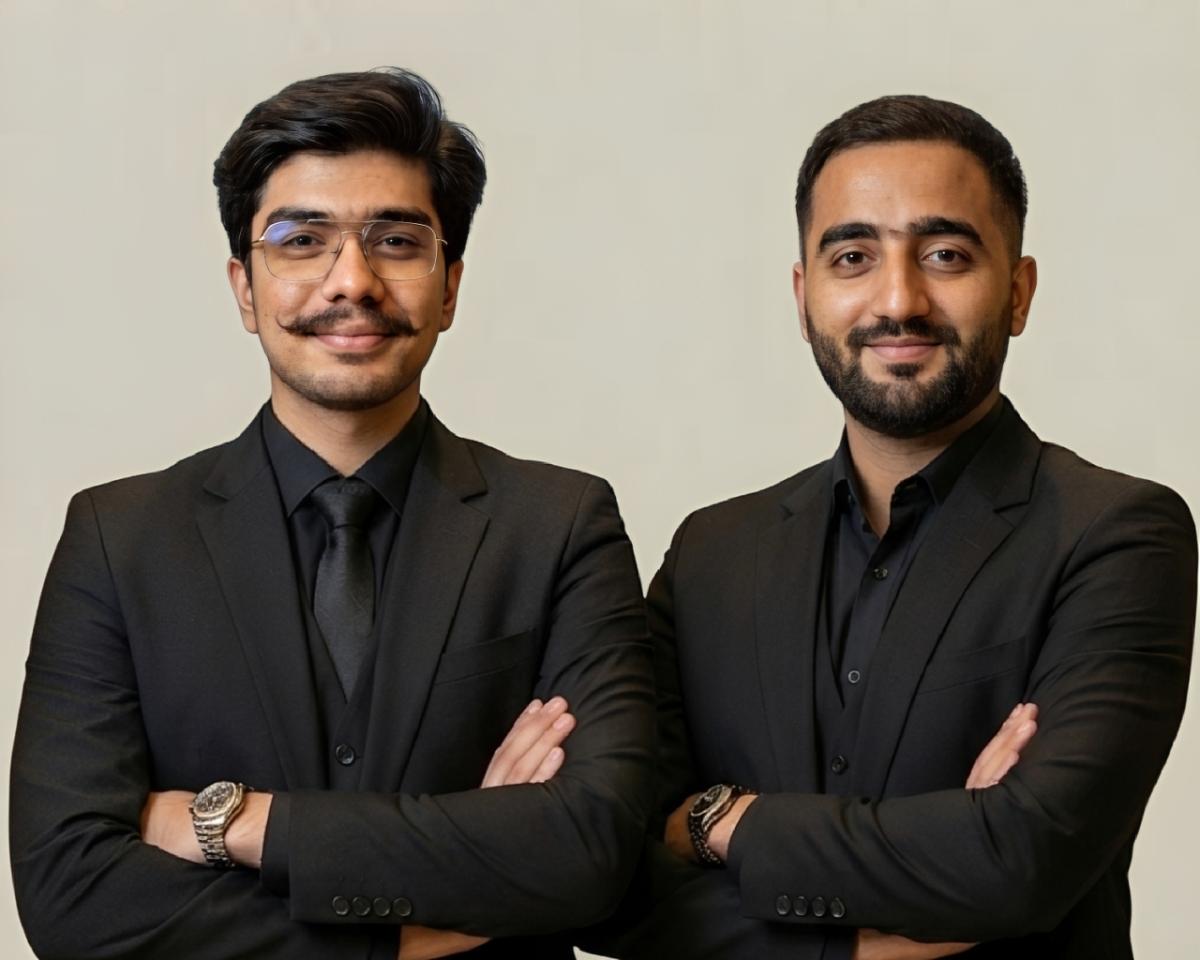
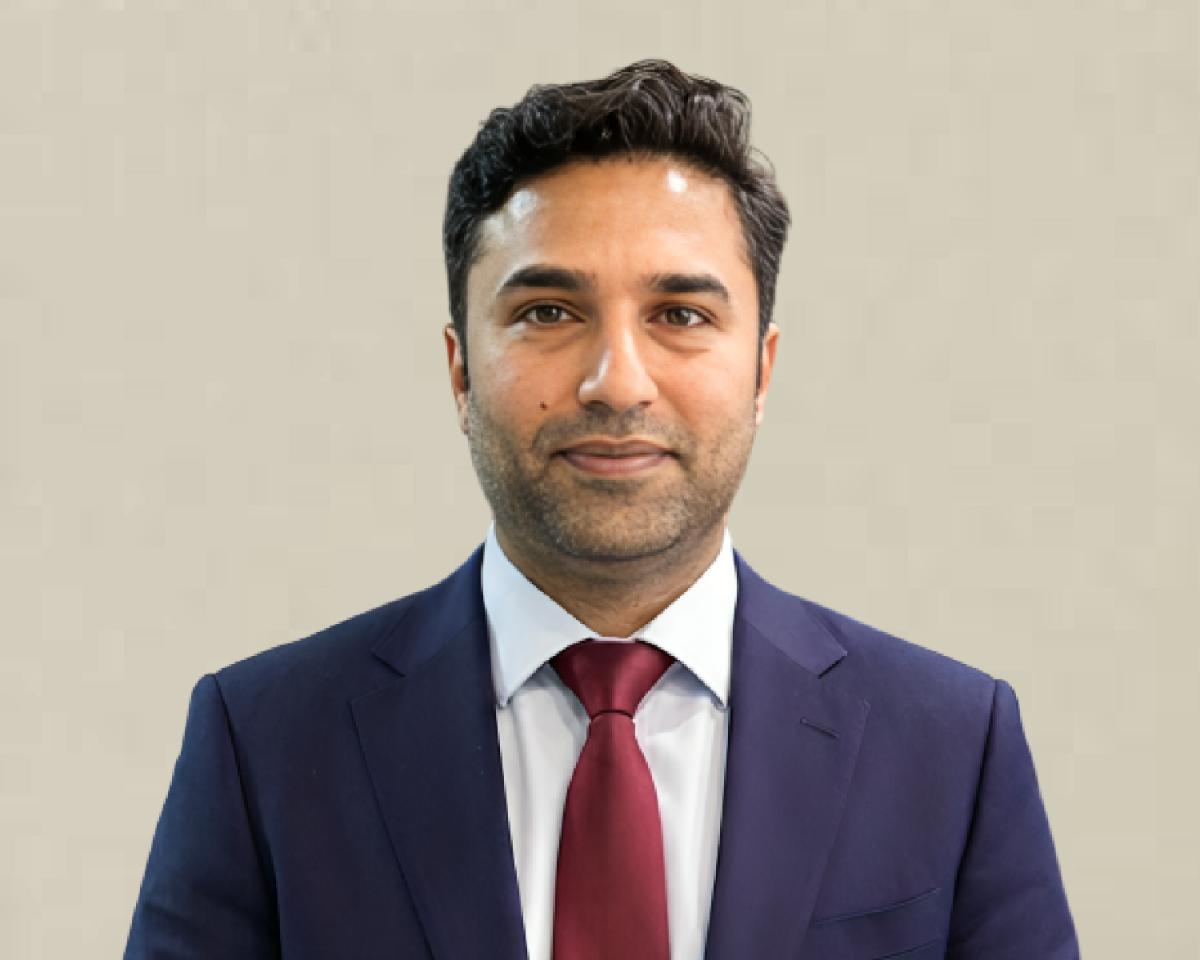
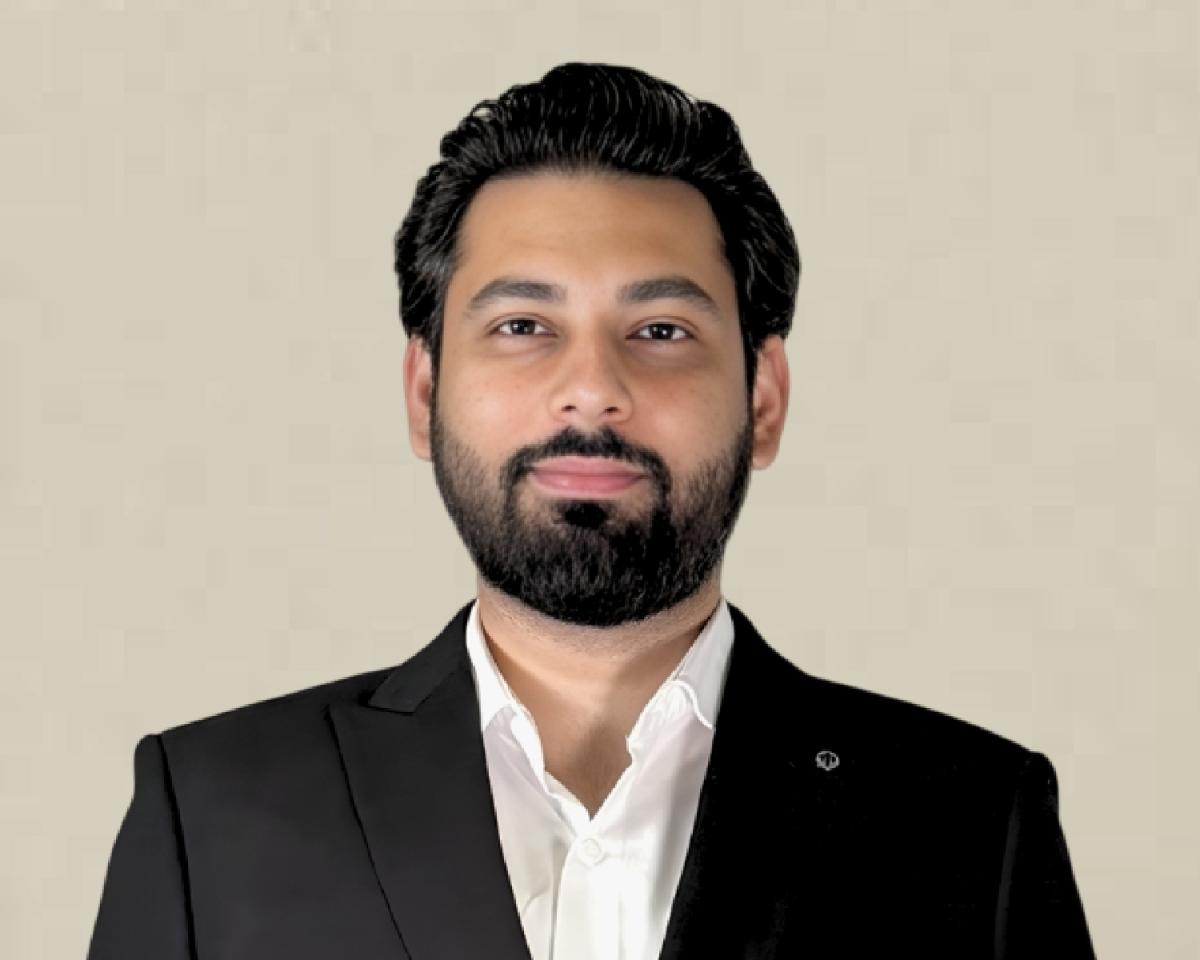
Hamza Israr: Our culture revolves around ownership, innovation and problem solving. When we hire people, we look for individuals who want to take responsibility, learn continuously, and move quickly. Our team is intentionally small. There are three founders; myself as CEO, Saad as CTO, and Dr. Kamal as our Director AI Strategy along with a small technical team that includes a program manager, backend and frontend developers, and a DevOps engineer. Because the team is compact, our core values are ownership and speed so we rely heavily on AI-powered development tools. These tools significantly increase productivity, often multiplying output several times over. We try to maintain a family-like atmosphere where people feel comfortable sharing ideas and taking initiative. At the same time, hiring is done very carefully because the right people make all the difference in a small organization.
Boardroom: What advice would you give to emerging AI startup founders?
Hamza Israr: Vision is extremely important when building in the AI space. Today many startups focus on very narrow AI applications or small automation tools. The challenge with this approach is that the underlying large language model providers evolve very quickly. A single update can sometimes make an entire startup’s product obsolete overnight. That is why founders need to think beyond building small features and instead focus on creating scalable platforms and ecosystems.
Our philosophy with NexaVoxa was similar. Instead of building a single AI voice tool, we decided to develop a full SaaS platform that allows businesses to create, train, and deploy their own AI voice agents according to their specific needs.
Users can configure prompts, define conversation instructions, customize language and voice behavior, integrate the agent with their phone systems, and deploy it within minutes. This flexibility allows organizations to build AI agents that truly reflect their workflows and customer interactions.
By taking a platform-first approach, we believe we are creating far greater long-term value, because the system can continuously evolve with new capabilities rather than being limited to a single narrow use case.
At the same time, founders in Pakistan must also understand the realities of the local startup ecosystem. In many parts of the world, founders can build a simple MVP and raise funding quickly. In Pakistan, the situation is usually different. Entrepreneurs often have to build the product, generate traction, and sometimes even achieve revenue before investors start paying attention.
Because of this, founders here usually have to invest their own capital, time, and resources in the early stages. That is why it becomes very important to think carefully before building anything, choose the right problem to solve, and make sure the solution has real long-term value.
Ultimately, success in the AI space requires a combination of vision, adaptability, and patience. The technology evolves extremely fast, so founders must constantly learn and adapt to stay relevant. Entrepreneurship also demands resilience, because setbacks and criticism are part of the journey. Staying patient, motivated, and committed to the long-term vision is what ultimately allows founders to succeed.