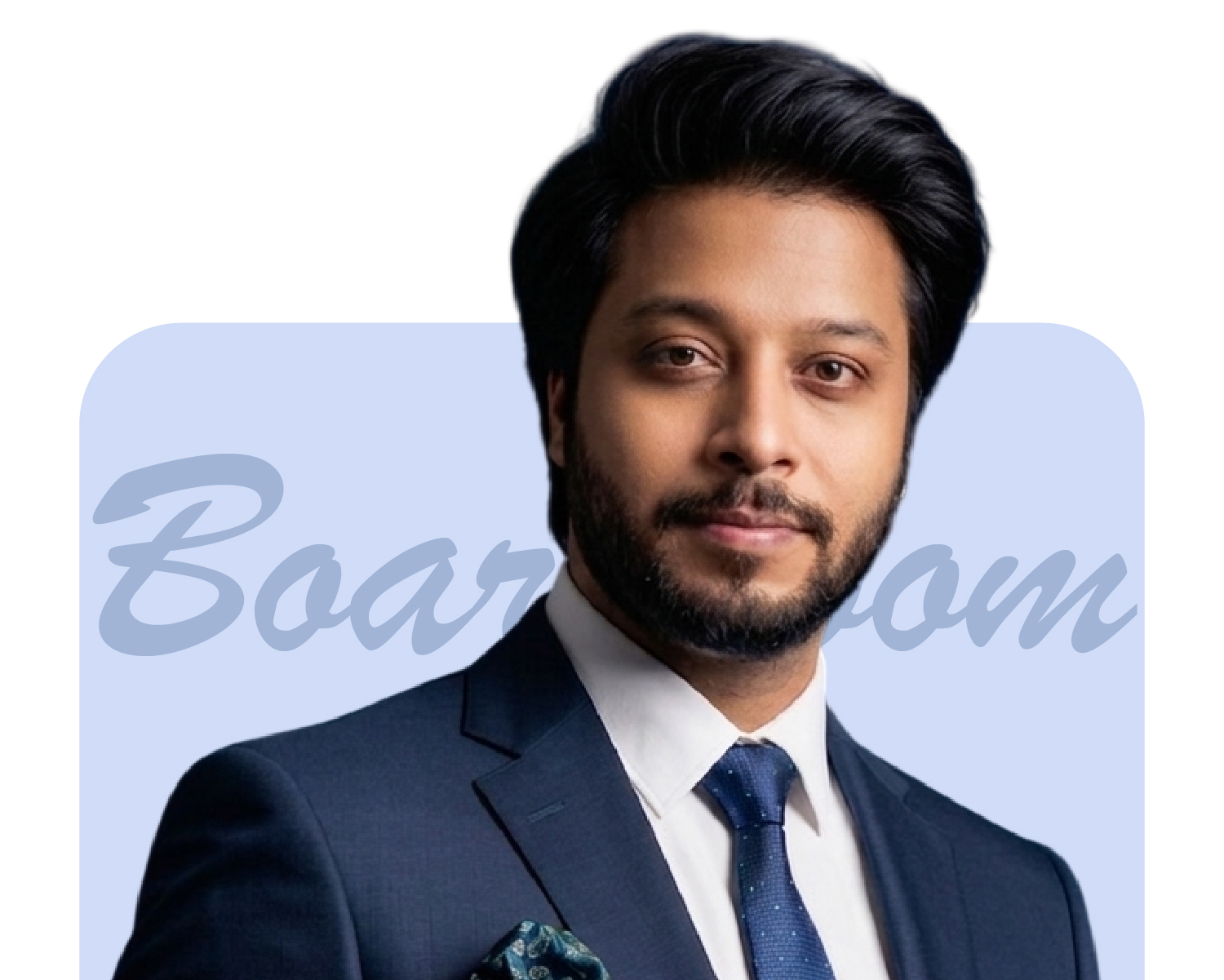
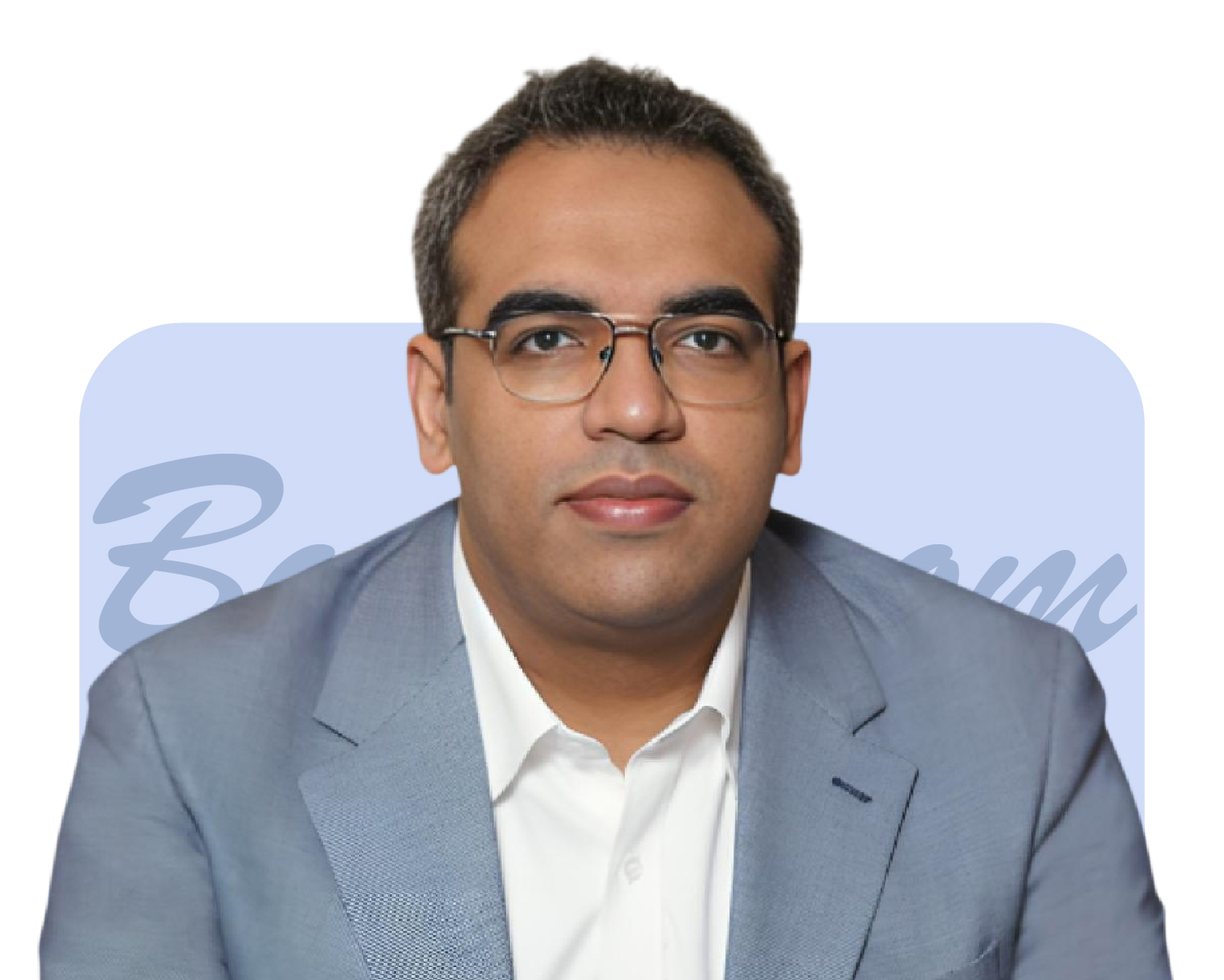
In an era where family enterprises are under increasing pressure to professionalize without losing their soul, this conversation offers a rare, grounded perspective. In this candid Boardroom interview, Mr. Abubakr reflects on how discipline, composure, and self-awareness have shaped his leadership persona, while deliberately blending inherited family values with modern corporate thinking. From retail floors to boardrooms, from data-driven governance to human-centric brand building, his insights reveal how clarity, calmness, and consistency can become competitive advantages in Pakistan’s price-conscious yet evolving market.
Boardroom: What personal values or experiences have shaped your leadership persona?
Abubakr Saleem: My leadership style is a result of disciplined upbringing and conscious self-evolution. I have always believed that presence speaks before words do. Whether it is the way we dress, the way we conduct meetings, or how we respond under pressure; every action communicates who we are. Years of working across retail floors, corporate boardrooms, and international markets taught me composure, timing, and emotional intelligence. I learned early that calmness is a superpower, discipline is influence, and consistency is character. These values define not just how I lead the business but how I carry myself every day.
Boardroom: How do you maintain a balance between modern corporate thinking and traditional family leadership?
Abubakr Saleem: I have always admired leaders who are both forward-looking and deeply grounded. At a personal level, I stay connected to my roots; the values my father instilled, the work ethic inherited from our family legacy, and the humility that comes from starting at the basics. Professionally, I stay in constant learning mode: studying global trends, benchmarking against top brands, and surrounding myself with people who challenge my thinking. This fusion of heritage and modernity is intentional. It keeps me centered yet ambitious, humble yet progressive and it ensures that my leadership remains authentic, relevant, and deeply human.
Boardroom: Business growth can be driven by value, volume, and brand positioning. How do you balance these forces in a market that’s largely price-conscious?
Abubakr Saleem: Every enterprise ultimately revolves around the timeless 4Ps; Price, Place, Promotion, and Product. In our case, leather goods remain our cornerstone. Our strength lies in offering superior craftsmanship at competitive prices. As we scale production, our cost competitiveness improves organically, allowing us to maintain a quality tier that consistently surpasses market averages.
Design, however, is our perpetual challenge. We consciously follow around 80% of global fashion trends, ensuring our products remain in the maturity phase of their lifecycle for longer periods. Each phase, from introduction to growth, maturity, and decline demands a distinct focus on timing, quality control, and adaptability.
The true test lies in foresight, predicting what will replace today’s mature product tomorrow. That’s where innovation transforms from a function into a survival strategy.
Boardroom: As your business expands nationwide, how do you maintain consistency across regions with such diverse customer preferences?
Abubakr Saleem: Every city in Pakistan has its own rhythm, its culture, pace, and purchasing patterns. Yet, our brand promise must remain uniform. We maintain strict visual merchandising protocols across all outlets, ensuring consistent presentation in paired, single, and stand-based displays.
Our monitoring is entirely data-driven. We analyze performance daily, monthly, and annually, even comparing a store’s sales on the same day last year, factoring in local events or weather anomalies.
If a store misses its target, that goal rolls forward. Accountability is never compromised. Our philosophy is simple: growth delayed is growth deferred, never dismissed.
Boardroom: It sounds like your store managers play a critical role. How do you view their contribution?
Abubakr Saleem: Our managers are not just operational leaders. They are the living embodiment of our brand. For a customer, they are the brand. When I assumed charge of retail operations, I redefined our in-store identity. Initially, we moved from casual polos and jeans to a more formal attire. Recently, we evolved again by adopting black polos and jeans; a visual that communicates strength, discipline, and understated dominance.
Colors carry meaning: black conveys power, navy signals trust, and white represents integrity. Before our people even speak, their presence tells our story.
Boardroom: You mentioned data-driven decisions. How do you balance analytics with family intuition and experience?
Abubakr Saleem: We review our profit & loss statements monthly and hold quarterly board meetings. Data gives us direction; experience provides context. Our board members contribute insights shaped by decades of market exposure.
Take our flagship sales events like 11.11 and Bless Friday, as examples. These are not random marketing pushes; they are data-backed, timing-calibrated campaigns refined through experience. In family enterprises, data informs decisions, but wisdom interprets them. That’s our equilibrium.
Boardroom: In family enterprises, ownership, management, and governance often overlap. How do you manage these three dimensions?
Abubakr Saleem: We are guided by what we proudly call our Family Constitution, our internal “divine document.” It clearly defines ownership structures, governance principles, and managerial responsibilities.
In the beginning of each year, we translate that constitution into actionable strategies through structured goal-setting sessions. Our vision, mission, and five-year objectives are revisited regularly, and quarterly reviews ensure alignment.
For us, governance is not bureaucracy, it’s clarity. Everyone knows their boundaries, authority, and accountability. That’s what sustains both discipline and harmony.
Boardroom: Family businesses also face disagreements. How do you manage conflicts during board meetings?
Abubakr Saleem: We have, quite literally, institutionalized calmness. I introduced a simple yet powerful rule: if someone feels frustrated or emotional during a meeting, they step out for five minutes; no debates, no reactions. It has worked beautifully. Emotions are human; discipline is essential.
To maintain focus and efficiency, board meetings are typically limited to the brothers and directors. One lesson time has taught me: time is capital, indecision is its cost.
Boardroom: Do you have a formal mentoring or training structure for the next generation?
Abubakr Saleem: Mentorship is not a department for us. It is a culture. It flows through multiple channels: from our father’s wisdom to professional consultants and competitive benchmarking. Our founder continues to learn every single day, and that attitude permeates the organization. Continuous learning whether through experience or exposure is embedded in our DNA.
Boardroom: You have integrated technology deeply into operations. What drove that decision and how has it transformed your culture?
Abubakr Saleem: In today’s business world, technology is not optional, it’s oxygen. We explored platforms like SAP and Oracle, but realized they are sustainable only at a certain scale around a hundred outlets or more.
Nonetheless, we have implemented robust omnichannel digital systems, AI-driven customer service, and automated chatbots that respond within seconds. Our internal dashboards, performance monitoring, and reporting are entirely digital.
We are already preparing for the next leap: AI-based virtual leadership replicas capable of representing management in remote meetings. It sounds futuristic, but it’s closer than most imagine.
Boardroom: You have been a strong advocate of the “Made in Pakistan” movement. What challenges and lessons have you encountered while promoting it globally?
Abubakr Saleem: Representing Pakistan on global platforms is both a privilege and a responsibility. Every time our products earn appreciation abroad, it uplifts not just our brand but our national image. The biggest challenge, however, lies in perception. Political narratives occasionally overshadow industrial excellence. Yet, when it comes to manufacturing, especially leather; Pakistan stands tall. We hold a natural edge, even over our regional competitors like India, due to cultural factors and craftsmanship traditions. Our task now is narrative-building: telling our story better, louder, and with pride.
Boardroom: If you could travel back in time to your parents’ era, what advice would you give your father about the business?
Abubakr Saleem: Honestly, I would first tell him not to step into the footwear business but if that were non-negotiable, I would advise him to institutionalize brand strategy and corporate governance much earlier and to invest in Dubai real estate while he was at it. And yes, perhaps buy a few Bitcoins in 2010 for good measure.