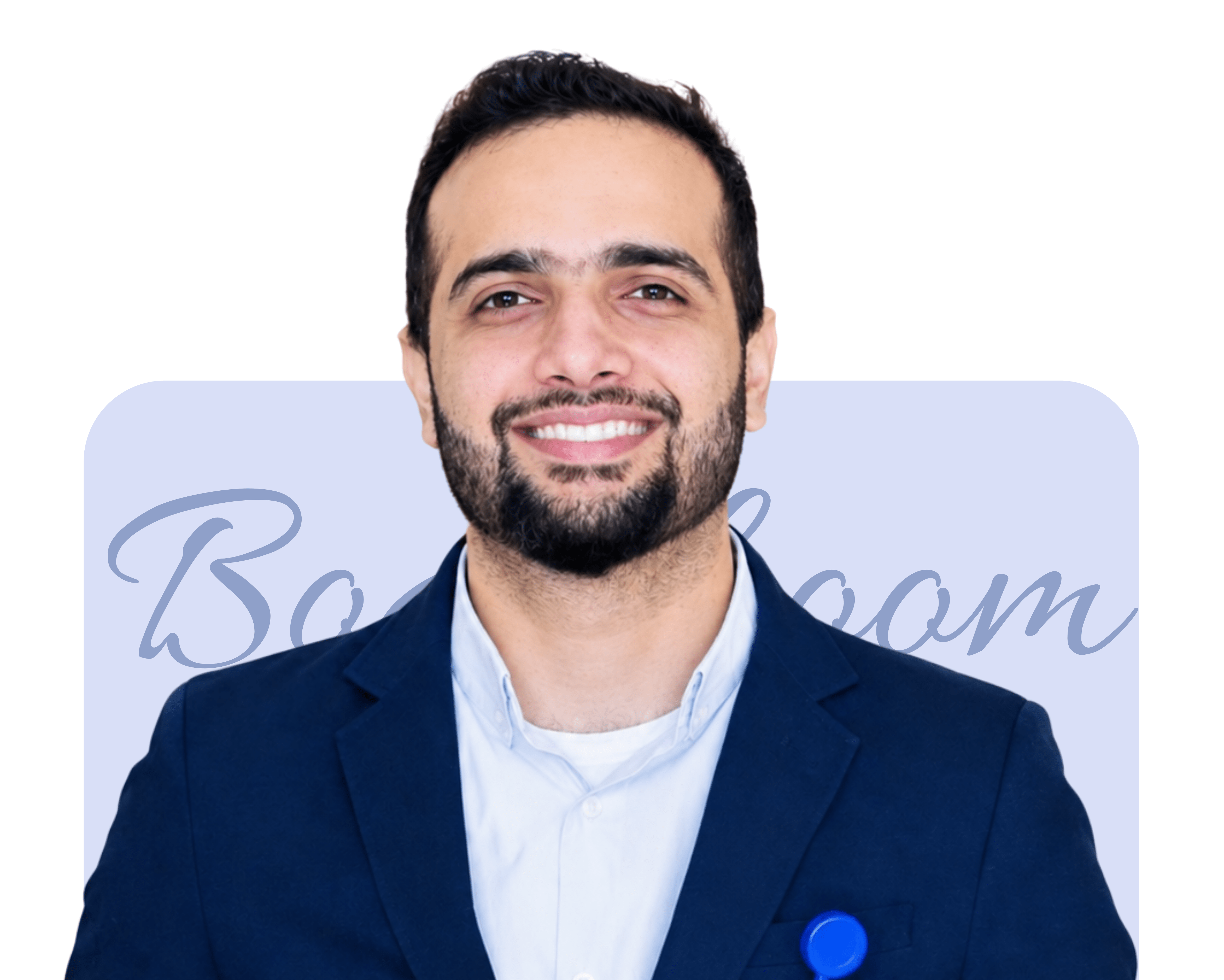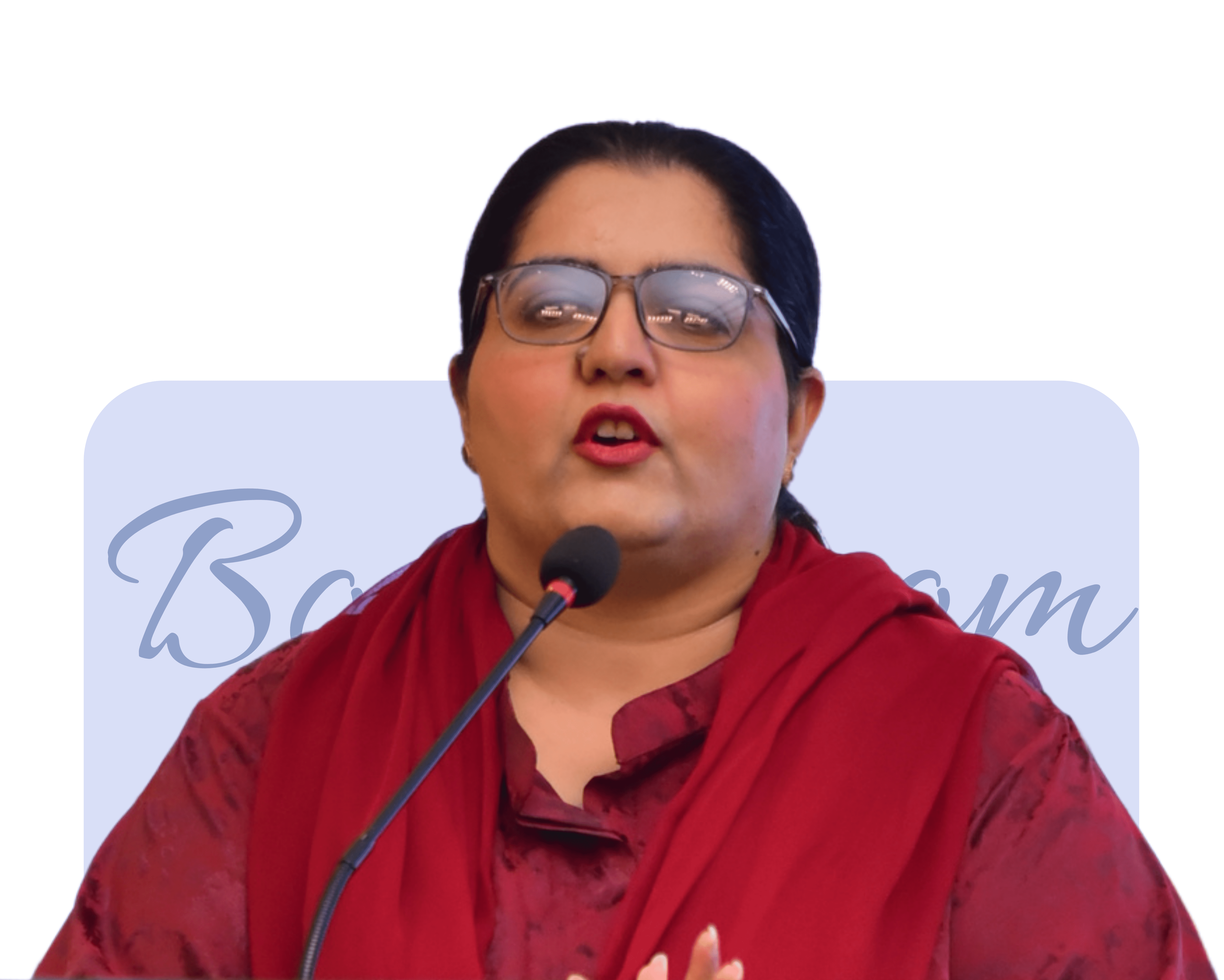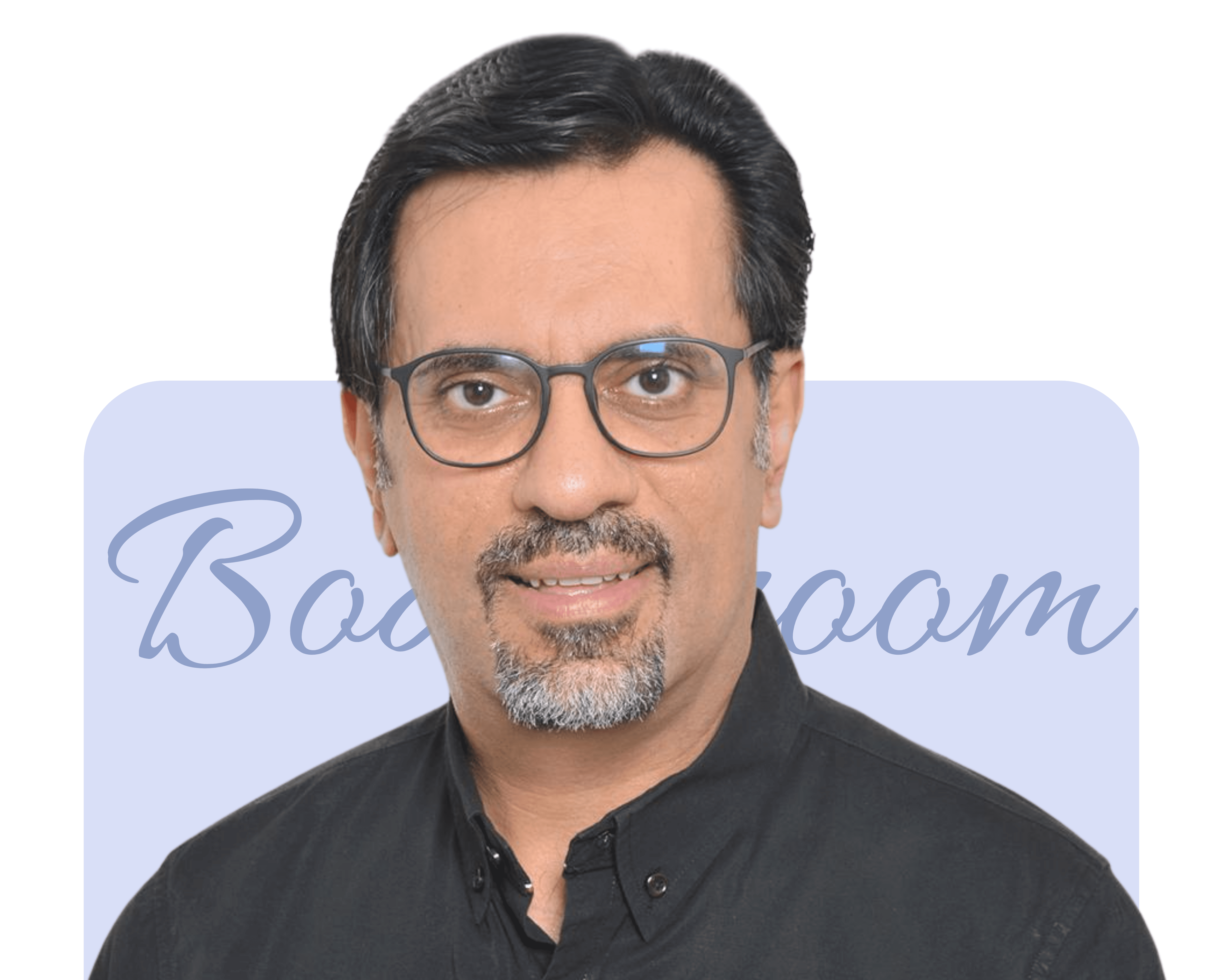

In this exclusive Boardroom interview, Mian Ali Moeen shares his entrepreneurial journey in Pakistan’s real estate sector, highlighting the growth of Grand City, Kharian, Grand Enclave, and upcoming developments. He discusses affordable housing, property investment, leadership, customer trust, land development, and business expansion. The conversation also explores real estate innovation, property tokenisation, REITs, modern marketing, and the importance of transparency and timely project delivery. Discover his vision for sustainable property development, entrepreneurship, and building long-term business success in Pakistan.
Boardroom: Could you take us back to the beginning of your journey into real estate and business? What defining moments shaped your career?
Mian Ali Moeen: Pakistan’s growing population creates significant demand for housing. As families grow, more people want homes of their own rather than remaining in a joint family system indefinitely. We saw a strong opportunity to meet this need through planned housing developments.
We focused on the Gujrat–Sarai Alamgir region because many families in this belt have relatives working abroad and receive remittances. We believed that affordable plots, supported by manageable instalment plans, could make property ownership more accessible to overseas Pakistanis and local buyers alike.
One important turning point was taking over a project previously known as Euro City and developing it as Grand City, Kharian. This marked a significant step in our journey and gave us the opportunity to build the project under the Grand City name. By the grace of Allah, it has since been successfully delivered and is now home to more than 500 families. The development spans over 7,000 kanals.
Housing development also contributes to the wider economy. It creates jobs and supports industries involved in roads, infrastructure, boundary walls, construction materials, cement, bricks and related services. In this way, developing a city can support many parts of the economic ecosystem.
Boardroom: Did you see real estate as one of Pakistan’s strongest business opportunities, and how did you make property more accessible to buyers?
Mian Ali Moeen: Absolutely. With sufficient funds and the right direction, real estate offers considerable potential. We introduced a file-based system in the Gujrat region to help people who could not afford to pay the full price of a plot upfront. Under this model, buyers could purchase a file and pay in instalments over an agreed period, after which it would be converted into a plot.
The idea was to reduce the immediate financial burden and give more people a practical route to property ownership. Affordable pricing and flexible payment plans were central to our approach.
Boardroom: What were the biggest challenges you faced as you progressed into senior leadership roles at Grand City and Grand Enclave, and how did you overcome them?
Mian Ali Moeen: Doing business in Pakistan can be challenging, particularly in the land sector. Acquiring land may involve dealing with revenue departments, district administration, the police, tax authorities and other institutions. Land disputes and illegal occupation can make matters even more complicated.
These challenges have taught me the importance of preparation and having the right people in place. We rely on strong legal and compliance departments to review documentation before payments are made. Our land department then manages possession. We also have an experienced team, including retired army personnel, who help address operational matters.
Responsibilities are assigned across the organisation, and the team handles day-to-day challenges. I step in when an issue escalates to higher levels of government or administration. This allows me to support the team when necessary while keeping the wider business moving forward.
Boardroom: How would you describe your leadership philosophy, and what qualities are essential to leading a large and growing organisation?
Mian Ali Moeen: An organisation is built by its people, not just by its name or brand. My philosophy is to look after our people so that, in turn, they look after the organisation. I believe in being frank and open with the team, while creating a workplace in which everyone understands their responsibilities and uses working hours productively.
A leader must bring the team together and translate a vision into a direction everyone understands. No leader can achieve everything alone. A leader’s responsibility is to show the team the way, provide support and help people understand where the organisation needs to go.
Boardroom: Real estate is a relationship-driven business. How important are trust, networking, and long-term relationships in your approach?
Mian Ali Moeen: Trust is built through delivery. Grand City, Kharian was our first project, and we later expanded into other locations, including Faisalabad. When customers see that a project has been delivered, they are more likely to return and recommend the company to others.
Long-term relationships depend on trust. When clients have a positive experience, they share it with their families and peers. We stay in touch with clients through our teams, emails, gatherings and other events. Their feedback and recommendations also help us understand where they see potential for future projects. The board then assesses and decides which opportunities to pursue.
Networking is also important in Pakistan, where personal relationships can help processes move more smoothly. In the land business especially, knowing the right people and building genuine connections can make a difference.
Boardroom: You describe yourself as a people person. Was networking something you developed during your business journey, or has it always been part of your personality?
Mian Ali Moeen: I have always enjoyed being around people, making friends and building new connections. Networking is particularly important in the land business, where relationships matter.
By the grace of Allah, my father encouraged independence from an early age. I was around ten when he started encouraging me to become independent. I also come from a family with a political background, where meeting people and building relationships were part of everyday life. These experiences helped me become comfortable interacting with people from diverse backgrounds.
Boardroom: How are you encouraging your son to develop the same relationship-building skills? Could you give us an example?
Mian Ali Moeen: I encourage him to build friendships with students in different grades, rather than limiting his circle to his immediate classmates. For example, I advise him to get to know both senior and junior students and to treat them with respect. I remind him that the people he meets today may become leaders and professionals in the future.
For me, the important point is that relationships should be genuine. The aim is not simply to collect contacts, but to build friendships that can grow and remain meaningful over time.
Boardroom: How has Grand City expanded its real estate presence, and what vision is guiding its next stage of growth?
Mian Ali Moeen: By the grace of Allah, our progress has been supported by the prayers of friends and family and by our commitment to deliver what we promise. Following Grand City, Kharian, we have delivered projects in Faisalabad and are preparing for our Lahore project, ARD by Grand City. Our focus remains on delivering projects and building trust with customers.
Dubai is a useful example of what can happen when a vision is translated into practical results. Quality, service, systems and reliability matter. A business earns credibility by doing what it says it will do, and that principle continues to guide our approach as we expand.
Boardroom: What do you believe are the biggest opportunities and challenges facing real estate developers today?
Mian Ali Moeen: Challenges and opportunities arise in both good and difficult times. Economic and geopolitical uncertainty can make buyers and investors cautious. At the same time, a crisis may create opportunities for investors who have liquidity and can take a long-term view, because prices may fall and later recover.
Changes in immigration policies abroad may also lead some overseas Pakistanis to consider returning home. They may need plots or houses, creating demand for housing. I believe there is still potential in the market, particularly for developers who deliver good housing projects. The key is to understand the circumstances, act thoughtfully and maintain a long-term perspective.
Boardroom: Trust and capital preservation are crucial for property investors. What practices do you use to promote transparency, timely delivery, and long-term asset value?
Mian Ali Moeen: Trust is fundamental in real estate. Buyers need confidence that their property documentation and transfer procedures are transparent and that the plot they purchase will remain theirs. This is one reason established brands attract buyers.
We try to bring experienced people into the organisation and apply effective standard operating procedures, particularly in our transport and land departments. The principle is straightforward: whatever a developer promises, the developer should fulfil. A company may have to make short-term sacrifices to honour its commitments, but doing so builds a stronger reputation over time. When customers trust an organisation, they recommend it to others.
Boardroom: What roles do innovation, technology, and modern marketing play in the future of real estate development and customer engagement?
Mian Ali Moeen: Innovation is increasingly important as technology and artificial intelligence reshape businesses. In real estate, models such as tokenisation and Real Estate Investment Trusts (REITs) offer alternative ways to participate in property-related investment.
Through tokenisation, an asset may be divided into smaller units so that multiple investors can hold fractional interests, subject to the applicable legal and financial structure. This differs from the traditional model, in which one buyer purchases an entire plot or property.
A REIT is another model that connects real estate with capital markets. Dolmen Mall is an example of a development associated with REIT financing. Listing and raising public capital involve substantial procedures and compliance requirements, so companies must understand these structures and ensure that the relevant rules and investor protections are followed.
These developments are important for the sector because they may broaden the ways people participate in real estate. For any developer considering such models, a clear understanding of the legal framework and the needs of investors would be essential.
Boardroom: After reaching significant professional milestones, what continues to motivate you, and what ambitions are you working toward?
Mian Ali Moeen: Personally, my faith in Allah Ta’ala keeps me grounded. I believe that what Allah does is for the better, even when we may not understand it straight away.
From a business perspective, our focus is on expansion. We are exploring new ventures and have moved beyond housing into the food and restaurant business. We have also established a French-themed club in Islamabad. We continue to consider new ideas through research and development because I believe a business must keep innovating rather than simply repeating what it has already done.
Boardroom: What advice would you give young entrepreneurs and professionals who want to build a successful career in Pakistan, particularly in real estate?
Mian Ali Moeen: Entrepreneurship is a valuable path. People can first gain experience in a profession or industry, then use that knowledge to build something of their own. If someone wants to enter real estate, a few years of relevant experience can help them understand the business before taking the next step.
Many successful journeys begin with limited resources. You should be prepared to start from nothing, work hard, remain patient and keep moving forward. Rome was not built in a day. Have faith in God and remain consistent in your efforts.
Boardroom: If you had to define your journey from where you started to where you stand today through one vision, one decision, and one lesson, what would each be?
Mian Ali Moeen: My vision is to encourage people to become entrepreneurs and dream big. When you focus on a clear goal, you improve your chances of reaching it. If you keep changing direction, it becomes much harder to make progress.
The key decision is to choose where you want to go, then work out how to move from point A to point B. Timing matters, and decisions must be made at the right moment.
The lesson I have learned is that success must be built on integrity. Build your own brand, be honest with people and never take their money without fulfilling your commitments. Some people may appear to become rich overnight through questionable means, but I believe that conducting business honestly and following Islamic principles brings lasting value. Life is short, and a person’s reputation and integrity are what remain.