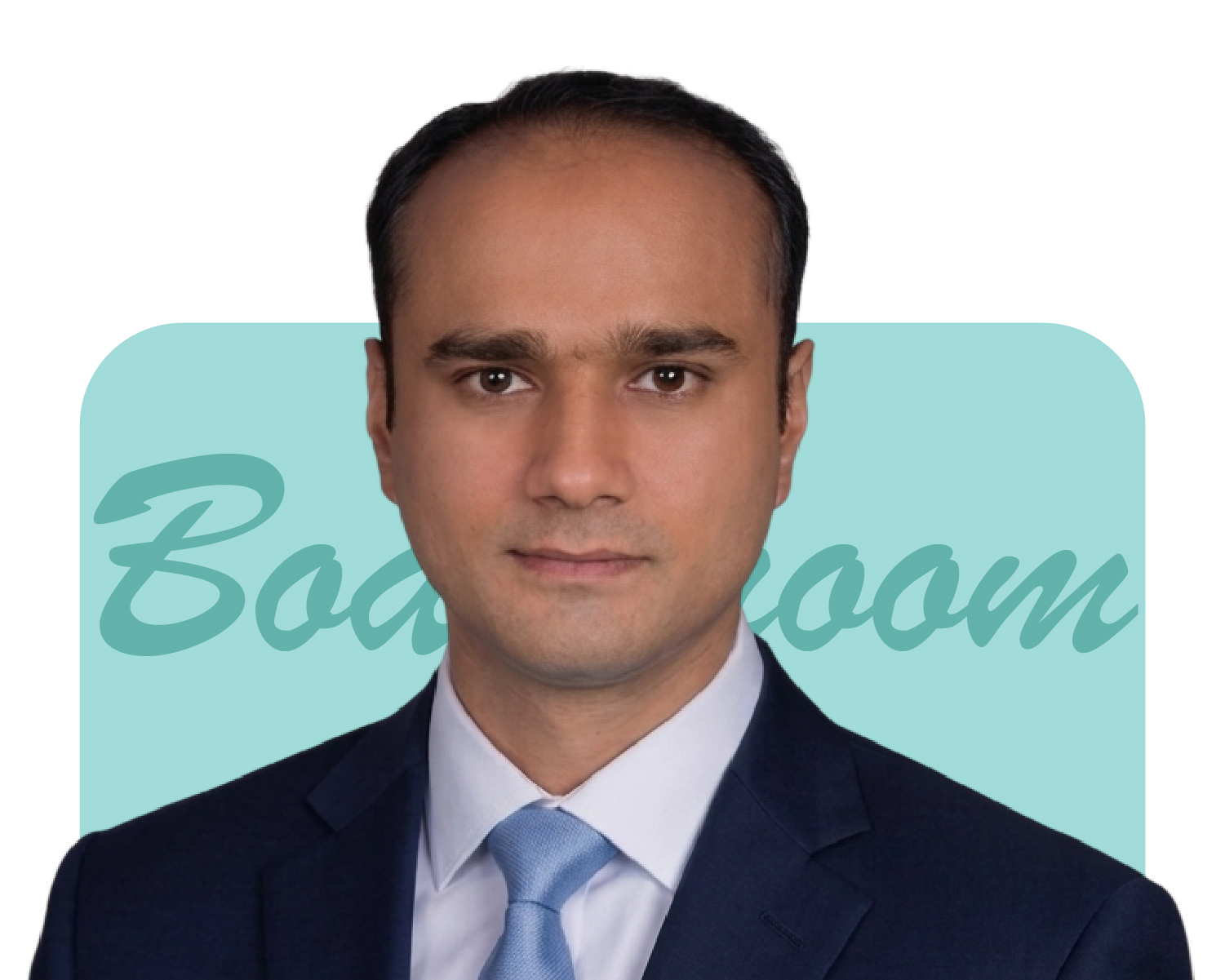

In Pakistan’s legal landscape, inefficiency has long been accepted as a structural limitation rather than a solvable problem. From fragmented case management to time-intensive research, the profession has traditionally relied on manual processes that constrain both productivity and accessibility. DigiLawyer, led by Danish Ghaffar, is challenging this status quo by introducing a technology-first approach to legal practice. Positioned as more than just a tool, the platform is evolving into a comprehensive legal operating system that integrates research, drafting, and case management into a unified, AI-powered environment.
In this conversation, Danish Ghaffar outlines how DigiLawyer is bridging the gap between legal practice and modern technology, making case law accessible to the public while equipping professionals with advanced tools for efficiency and scale. He also shares insights into adoption challenges, the role of artificial intelligence in legal workflows, and his broader vision of building a more structured, data-driven legal ecosystem in Pakistan and beyond.
Boardroom: Please introduce yourself and your professional journey, particularly how your engineering background from UET, Lahore shaped your transition into the legal technology space?
Danish Ghaffar: I am an engineer by training, and my academic foundation at UET Lahore played a critical role in shaping my analytical thinking and problem-solving approach. Coming from a family where my father is a lawyer, I had early exposure to the legal profession and its operational challenges. While my formal education was not in law, engineering trained me to approach complex systems with structure and efficiency. Over time, I identified gaps in the legal ecosystem where technology could create meaningful impact, which led me to build a digital solution tailored for legal professionals.
Boardroom: What was the core problem you identified in the legal industry that led to the creation of your platform?
Danish Ghaffar: The legal profession, particularly in Pakistan, still relies heavily on manual processes, fragmented workflows, and undocumented knowledge. Lawyers often struggle with managing case data, retrieving relevant judgments, and maintaining efficiency in their daily operations. At the same time, we strongly believe that public legal data, especially case law, should be freely accessible to every citizen. That is why we made Pakistani case law available free of cost, while building advanced, time-saving features for professionals as part of our paid offering.
Boardroom: You often describe your product as more than just a tool. How would you define its core value proposition?
Danish Ghaffar: Broadly, products fall into two categories. Some act as painkillers by solving immediate, critical problems, while others function as vitamins by enhancing long-term efficiency. Our platform is positioned as both. It addresses immediate operational inefficiencies while also enabling legal professionals to build a more structured, data-driven practice over time.
Boardroom: You have spent several years refining this idea. What were the key phases of development and learning?
Danish Ghaffar: The journey has been highly iterative. Over the years, I have engaged closely with legal practitioners, observed their workflows, and continuously incorporated feedback into the product. Early versions focused on basic digitization, but we gradually evolved into a comprehensive legal operating system that integrates research, drafting, documentation, and case management.
Boardroom: Legal professionals are often resistant to technology adoption. How have you approached this challenge?
Danish Ghaffar: Adoption has been one of the biggest challenges. Many senior practitioners are not naturally inclined toward technology. Our strategy has been twofold. First, we designed an intuitive and user-friendly interface. Second, we actively invest in education by conducting workshops and promoting AI in law across lawyers, bar associations, and law schools. We also target younger lawyers who are more open to digital tools, and over time, their adoption influences decision-makers within firms.
Boardroom: How does your platform leverage emerging technologies such as artificial intelligence?
Danish Ghaffar: Artificial intelligence plays a central role in our platform, particularly through natural language processing. It allows users to conduct intelligent legal research, extract relevant case law, identify specific paragraphs within judgments, and significantly reduce research time. Additionally, AI assists in drafting legal documents, which improves both speed and accuracy.
Boardroom: Can you elaborate on how your solution improves operational efficiency within law firms?
Danish Ghaffar: Traditionally, many tasks within law firms require multiple human resources. With our platform, processes such as legal research, document drafting, and case analysis can be streamlined or automated. This allows firms to optimize their workforce and focus on higher-value work. In essence, the platform provides lawyers with a parallel AI-powered law firm that they can operate from anywhere in the world.
Boardroom: What is your current business model, and how do you plan to scale it?
Danish Ghaffar: Our current focus is on a B2B model, working closely with legal professionals, law firms, and institutional users. Going forward, we aim to expand through API integrations and explore B2G opportunities as well. The emphasis remains on creating value, building trust, and embedding our platform into the broader legal ecosystem.
Boardroom: Data security and confidentiality are critical in legal practice. How do you address these concerns?
Danish Ghaffar: We take data security very seriously. Our platform is built on strong encryption protocols, and we aim to align with international standards such as ISO 27001 and GDPR frameworks. Users retain full control over their data, including deletion rights, ensuring complete confidentiality and trust.
Boardroom: What role do partnerships play in your growth strategy?
Danish Ghaffar: Partnerships are central to our expansion strategy. Collaborating with law firms, chartered accountant firms, and institutional stakeholders allows us to integrate seamlessly into existing professional ecosystems. The right partnerships accelerate adoption while also strengthening credibility.
Boardroom: How do you assess the market potential for legal technology in Pakistan?
Danish Ghaffar: The market is significantly underserved. There is a large base of legal professionals with minimal technological integration. Additionally, there is strong potential in making legal services more accessible to the public, which further expands the overall market opportunity.
Boardroom: Do you see opportunities beyond Pakistan?
Danish Ghaffar: Absolutely. Our long-term vision includes expansion into international markets, particularly jurisdictions with similar legal structures. However, our current focus remains on strengthening our foundation and product-market fit before scaling globally.
Boardroom: What are your key strategic priorities for the next few years?
Danish Ghaffar: Our priorities are clear. First, building strong and meaningful partnerships. Second, expanding into new markets. Third, continuously evolving the product in line with rapid technological advancements.
Boardroom: How do you ensure that your product remains relevant in a rapidly evolving tech landscape?
Danish Ghaffar: Continuous innovation is essential. AI and related technologies are evolving rapidly, so we focus on staying adaptable, investing in research, and ensuring that our platform evolves in line with both user needs and technological advancements.
Boardroom: Finally, what is your broader vision for the impact of your platform on the legal ecosystem?
Danish Ghaffar: Our goal is to transform how legal professionals operate by introducing efficiency, transparency, and accessibility. In the long run, we aim to contribute to a more organized, technology-driven legal ecosystem that benefits both practitioners and the public at large.