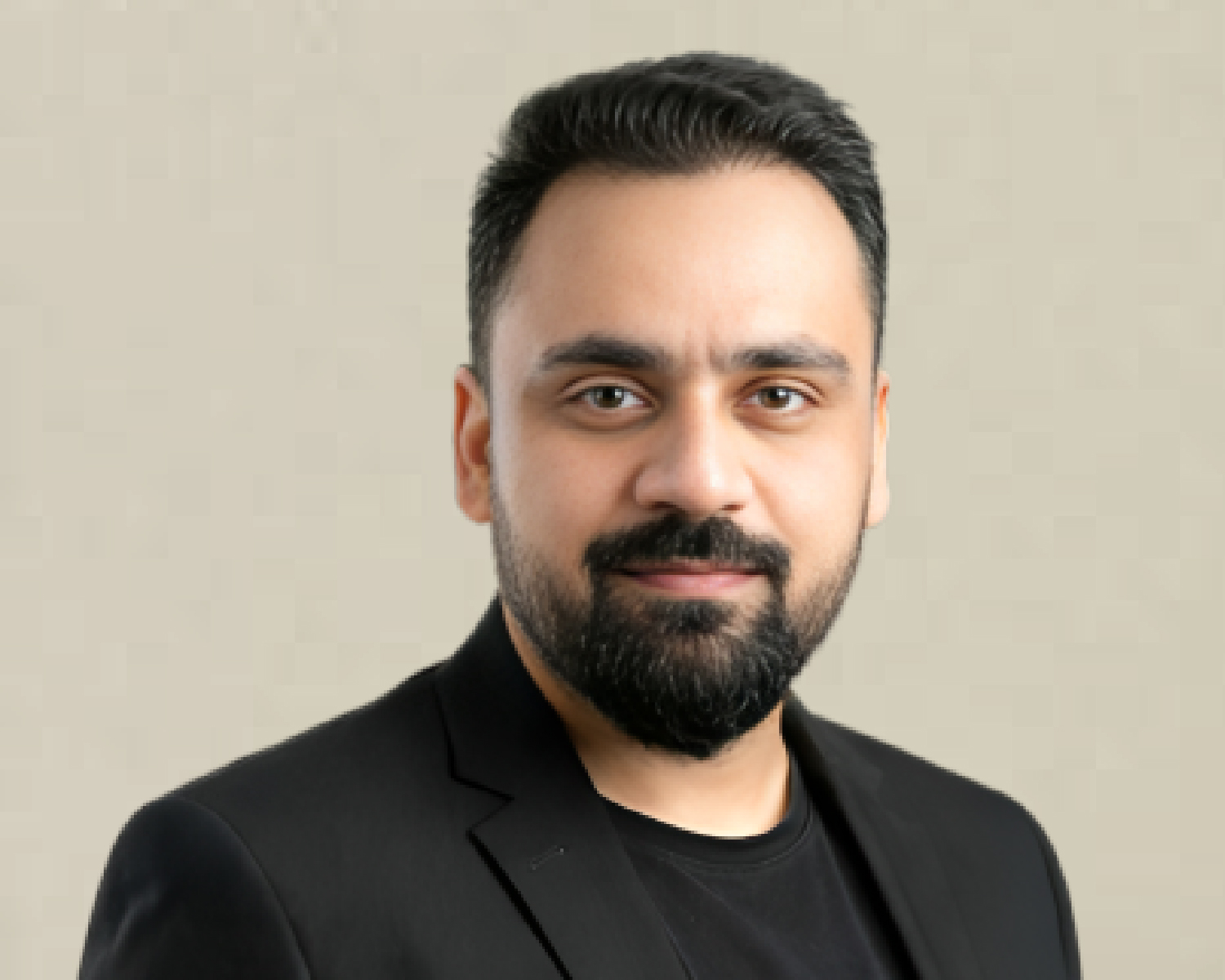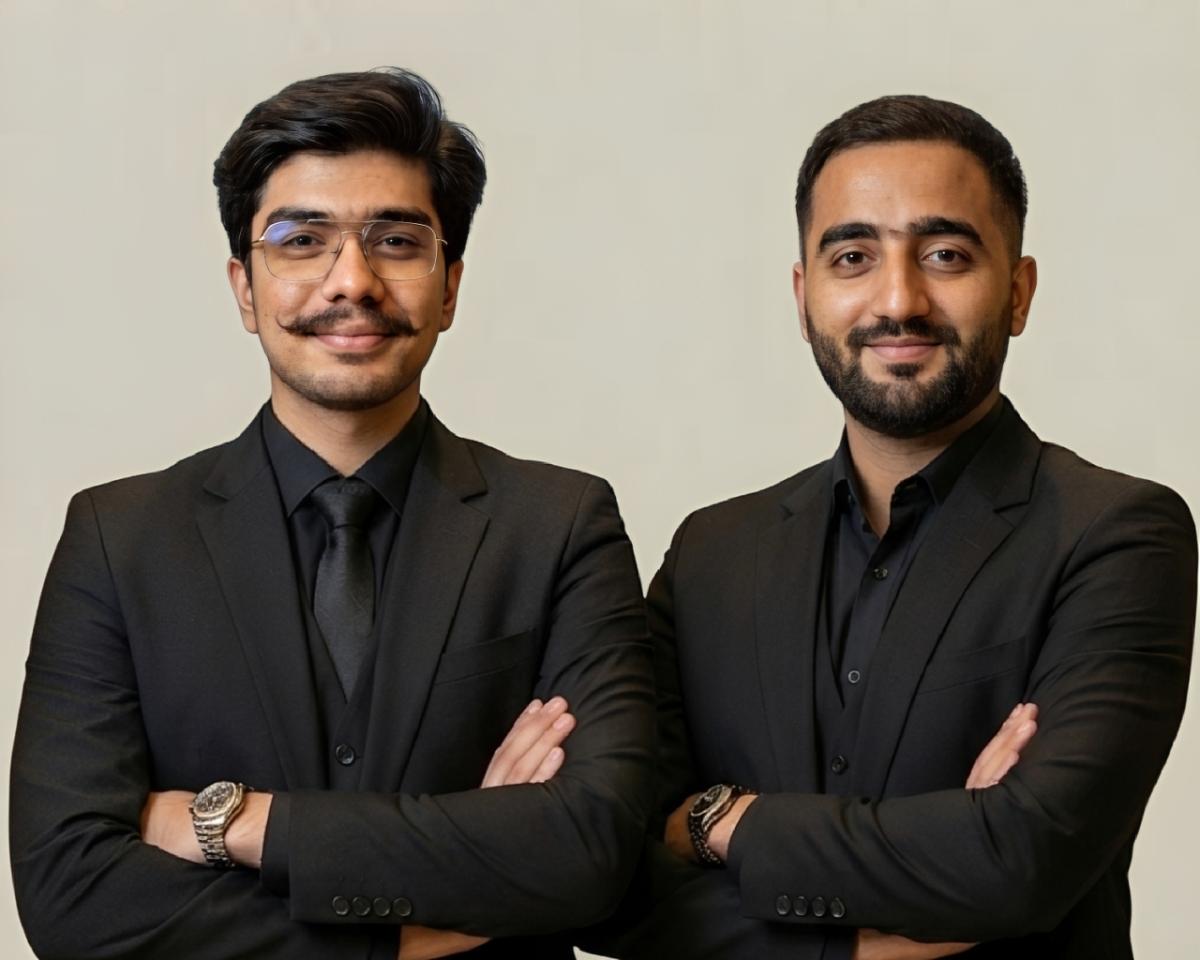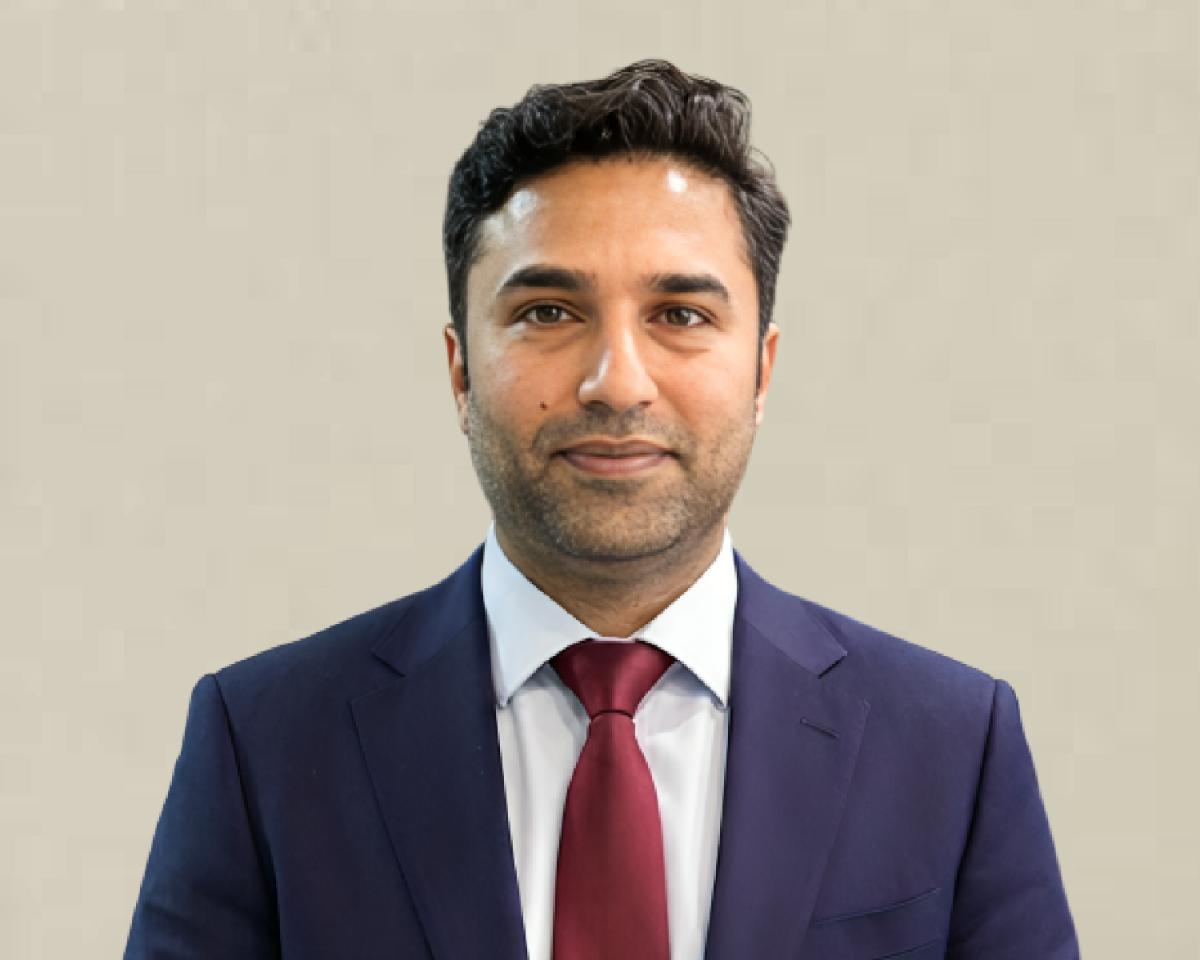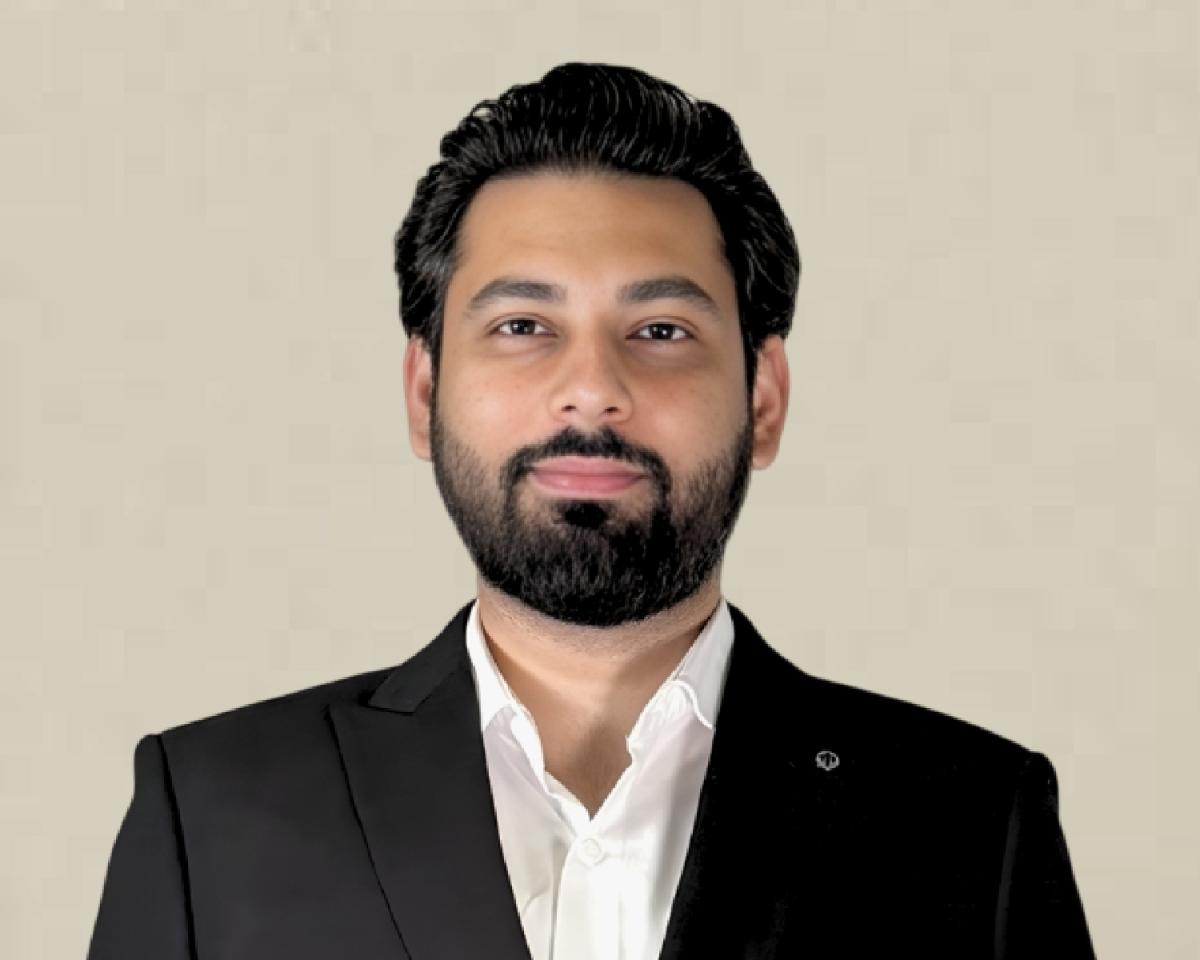
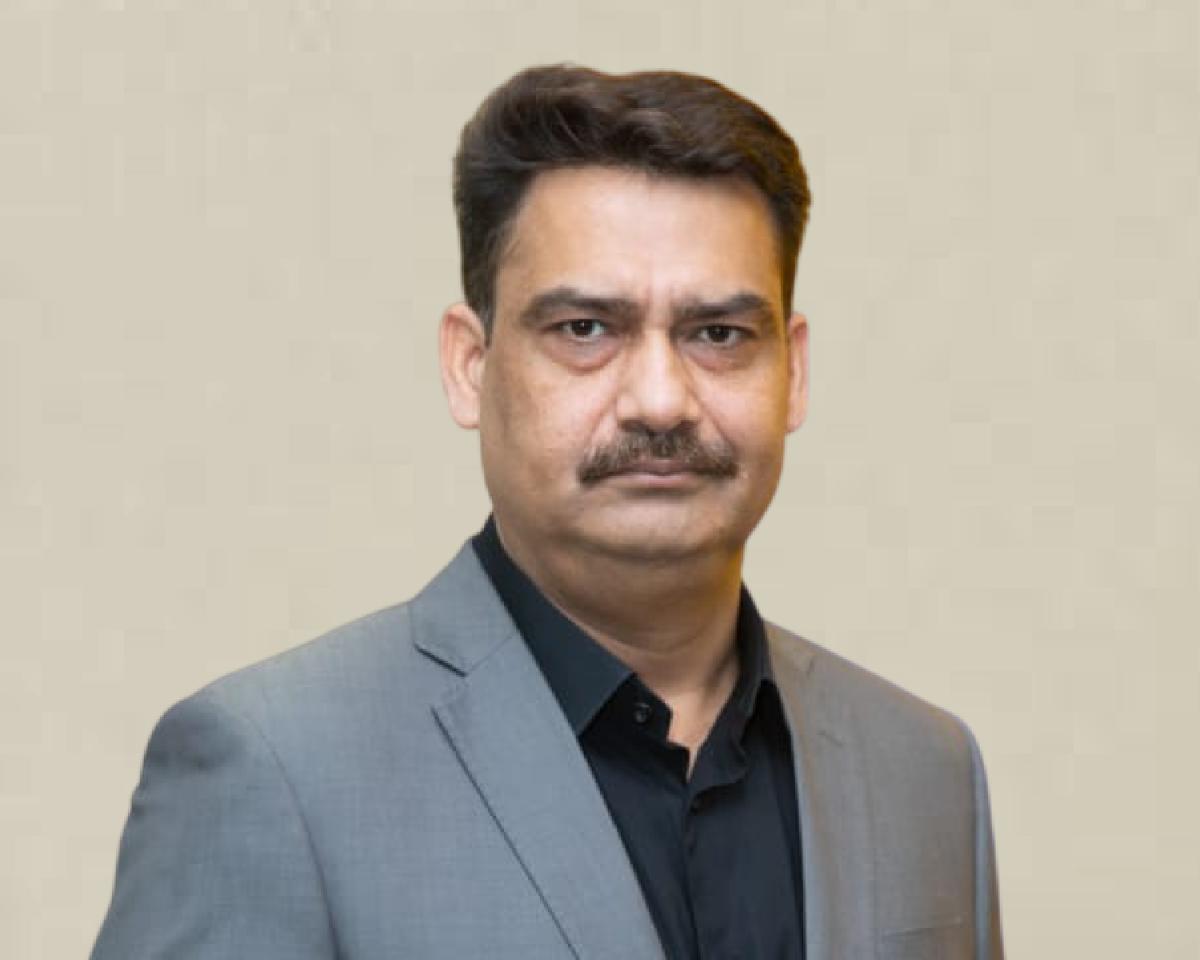
A Chartered Accountant by training and an ERP strategist by practice, Mr. Ihsan brings over two decades of enterprise systems leadership shaped by financial rigor and governance expertise. Having completed ACCA with distinction and national ranking, he approaches technology not as code, but as infrastructure for financial integrity and scalable growth. With extensive experience in complex ERP implementations, including long-term work within the Oracle and Odoo ecosystems and advisory across diverse industries, he champions structured digital transformation. His perspective positions ERP as a strategic backbone for competitiveness, operational precision, and governance maturity in Pakistan’s evolving business landscape.
Boardroom: How did your background in finance as a Chartered Accountant shape your leadership in IT?
Answer: For over two decades, I have been asked the same question: “Why are you in IT?” My response is consistent; I am a Chartered Accountant, not an “IT accountant.” Enterprise Resource Planning (ERP) is often misunderstood as a purely technical function. It is not. Technology is a component of implementation, but the strategic architecture of ERP belongs to finance. Accountants understand the financial impact of transactions, regulatory frameworks, taxation structures, stakeholder reporting, and board-level accountability. A programmer can configure an entry; understanding the financial rationale behind that entry requires accounting depth. That distinction is fundamental.
Completing ACCA in record time and achieving a national ranking in a core paper instilled analytical rigor and discipline. Finance trains you to assess consequences before execution; a principle that defines my leadership approach. Globally, leading consulting firms position accountants as primary ERP strategists because ERP is fundamentally about financial integrity, governance, and enterprise structuring, not just code.
Boardroom: What are the biggest operational challenges in digital adoption for Pakistani businesses?
Answer: Digitization is still not among the top three strategic priorities for many business owners in Pakistan. That is the core issue. Recently, I advised a client managing 25,000–30,000 files manually. At that scale, manual processes are operationally indefensible. Yet hesitation emerged due to the perceived “additional cost.” There is a generational divide. Younger leadership understands digital enablement as a growth multiplier. Traditional leadership often views ERP defensively as a taxation, audit, or compliance tool rather than as a scalability engine.
International entrepreneurs deploy digital systems to enable expansion, predictive analytics, and operational agility. In Pakistan, ERP is frequently implemented reactively. Until the mindset shifts from compliance to competitiveness, digital transformation will remain slow.
Boardroom: In modern retail, customers are told, “You’ll get it in five minutes.” What enables that operational precision?
Answer: The answer is structured systems; primarily ERP integrated with POS and inventory intelligence. A well-implemented ERP system provides real-time visibility into inventory velocity, procurement cycles, and sales trends. Supply chain, stock levels, and customer demand are synchronized. That is why delivery commitments are predictable.
Recently, a restaurant client proposed an AI-driven enhancement: if a customer ordered coffee in their previous visits, the system should proactively suggest a coffee bundle. This is not futuristic. Globally, AI-based recommendation engines are already integrated into ERP and POS ecosystems to increase basket value and customer retention. However, Pakistan remains significantly under-leveraged digitally. Even large industries lack integrated systems. Real estate remains largely untapped. Retail, arguably the backbone of our economy is under-digitized. In my hometown, Mansehra, nearly 90% of businesses are retail-based, yet systematic ERP adoption is rare. If we do not accelerate, we risk structural irrelevance in regional markets.
Boardroom: Why is there resistance to serious ERP investment in Pakistan?
Answer: Because IT is still misunderstood as an expense rather than infrastructure. I recently quoted approximately PKR 2 million for a comprehensive solution. The client responded that another vendor offered “the same” for PKR 200,000. This comparison reflects a fundamental misconception that ERP means building a few forms and generating basic reports. That approach may have worked when bookkeeping was limited to ledgers. Today’s commerce ecosystem is integrated: supply chains, e-commerce platforms, compliance automation, real-time analytics, and omnichannel operations. ERP is not a reporting tool. It is operational backbone infrastructure. Businesses that underinvest in architecture inevitably overpay in inefficiency.
Boardroom: Which is the best and why: Microsoft, Oracle, or Odoo?
Answer: Odoo and not simply because of cost. In many cases, it is not the cheapest option. Legacy ERP systems were built as standalone architectures. Odoo was designed as a modular, web-native ecosystem. It integrates accounting, CRM, helpdesk, HR, operations, e-commerce, social media, and beyond.
ERP today is no longer merely Enterprise Resource Planning. It has evolved into a comprehensive Business Management Solution (BMS). True digital transformation is not about automating transactions; it is about digitizing the entire business lifecycle from customer acquisition to post-sale engagement.
Early ERP systems of the 1970s and 1980s were developed before the internet and e-commerce. Yet many of those architectural philosophies still dominate. I have spent over 20 years in ERP implementation, primarily within the Oracle ecosystem, including extensive work since 2017. Recently, a U.S.-based client migrated from Oracle NetSuite after 15 years to Odoo due to integration limitations with modern tools. Flexibility, modularity, and ecosystem compatibility are now decisive factors.
Boardroom: How do you guide clients toward a digital vision?
Answer: Our engagement model is strategic, not transactional. Companies that approach us already recognize a structural need. We begin by defining the North Star; a clearly articulated digital ambition. For example, a traditional business transitioning into e-commerce must align with platforms such as Shopify or Amazon. Once the destination is defined, we design the roadmap. The roadmap typically includes; process automation, data centralization, faster, analytics-driven decision-making and compliance integration, regulatory alignment, including FBR integrations.
Certain sectors like real estate, education, healthcare remain structurally resistant. Globally, these industries are highly digitized. Locally, adoption is fragmented. Real estate, in particular, has historically operated with limited transparency. Digitization enforces traceability, and cultural resistance follows. Transformation is less about software and more about governance maturity.
Boardroom: What initiatives are you taking to create awareness about digitization?
Answer: We actively collaborate with professional bodies and chambers of commerce to drive structured awareness. Closed-door industry sessions are particularly effective. Sector-specific dialogue whether in retail, real estate, or SMEs allows us to design targeted digital roadmaps rather than generic advice. Platforms such as Boardroom can play a catalytic role by bridging strategic discourse with implementation reality.
Digital transformation does not begin with AI. It begins with mindset. At minimum, businesses must digitize core processes, automate repetitive workflows, integrate systems, enable data-driven decision-making. If Pakistan does not move decisively, the competitive gap with India and GCC markets will widen. The debate is no longer whether ERP is necessary. The real question is: How long can a business survive without it?