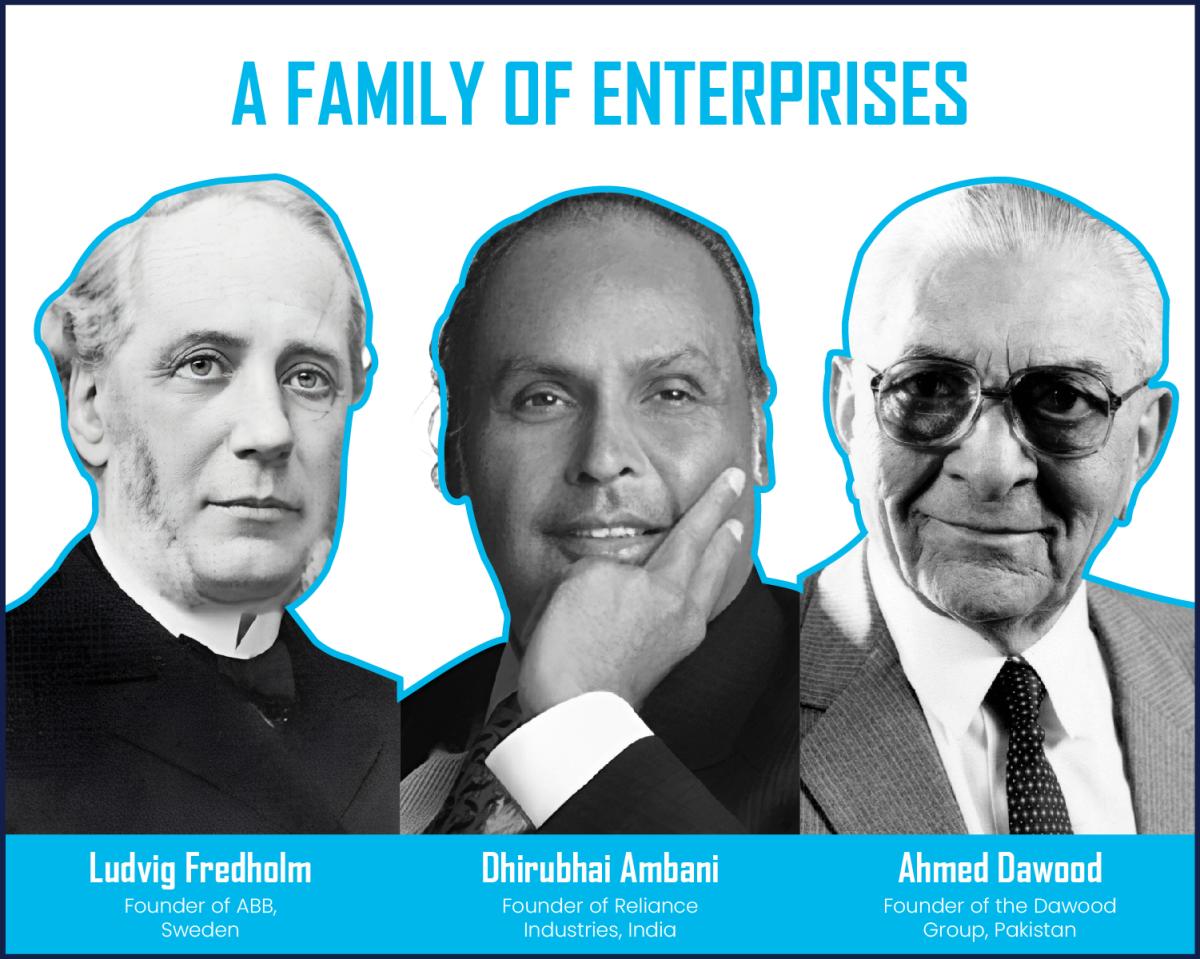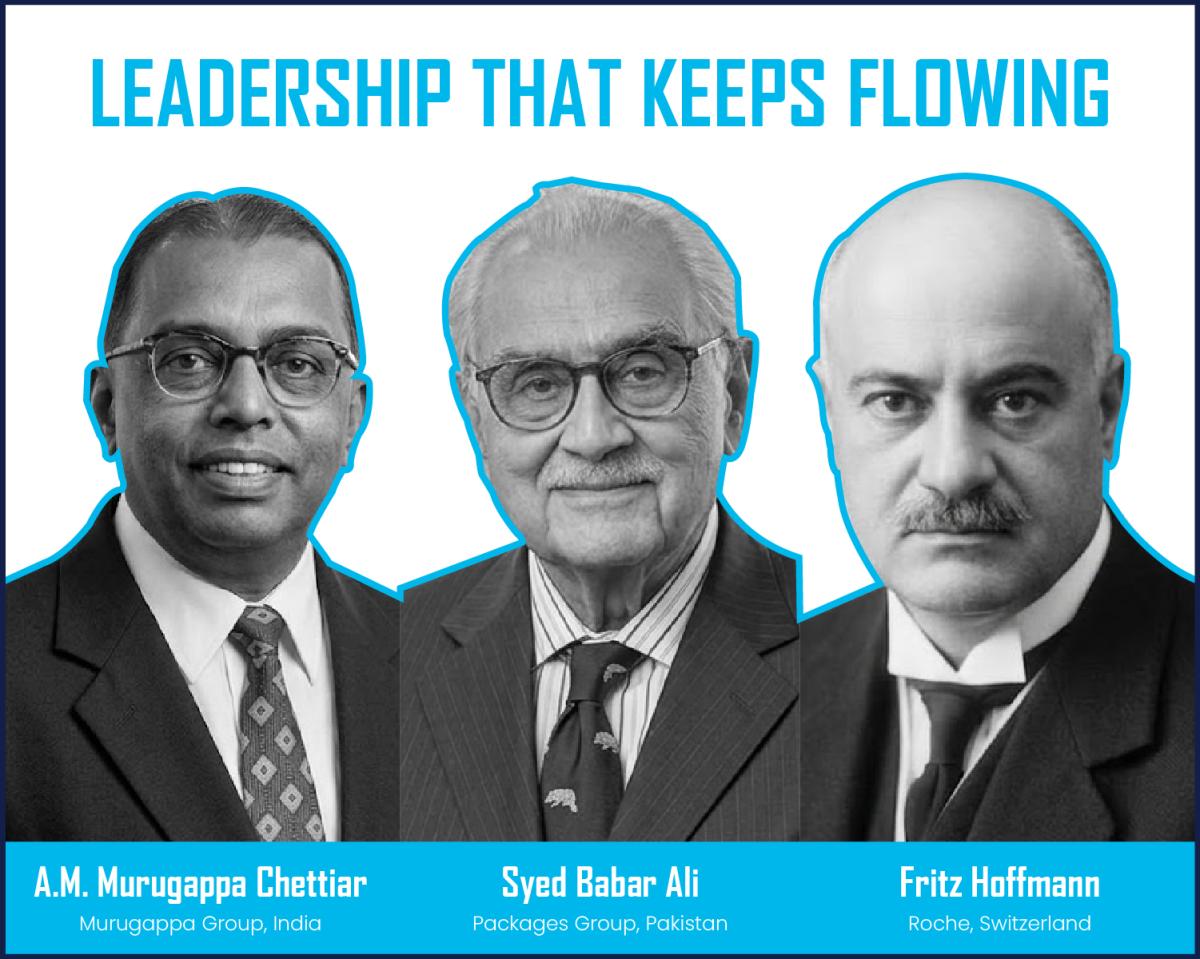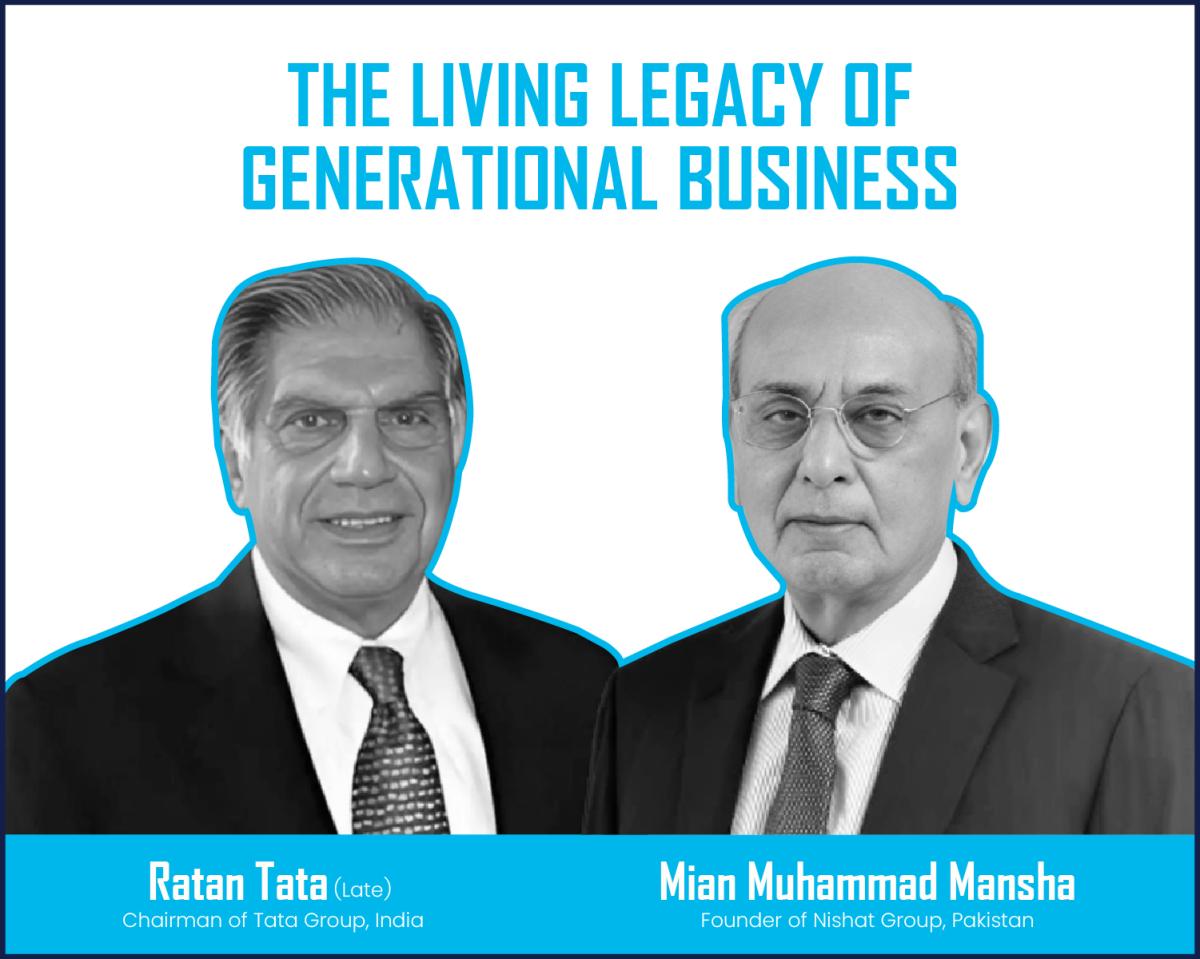
A family business begins like any other enterprise with the ambition and determination of a founding entrepreneur. In its early years the focus is survival growth and the establishment of a reputation. But as decades pass the enterprise begins to accumulate something far more valuable than financial capital. It develops credibility institutional memory and a sense of responsibility toward society. When successive generations preserve these qualities, the business evolves into a guiding institution that influences far more than its own commercial success.
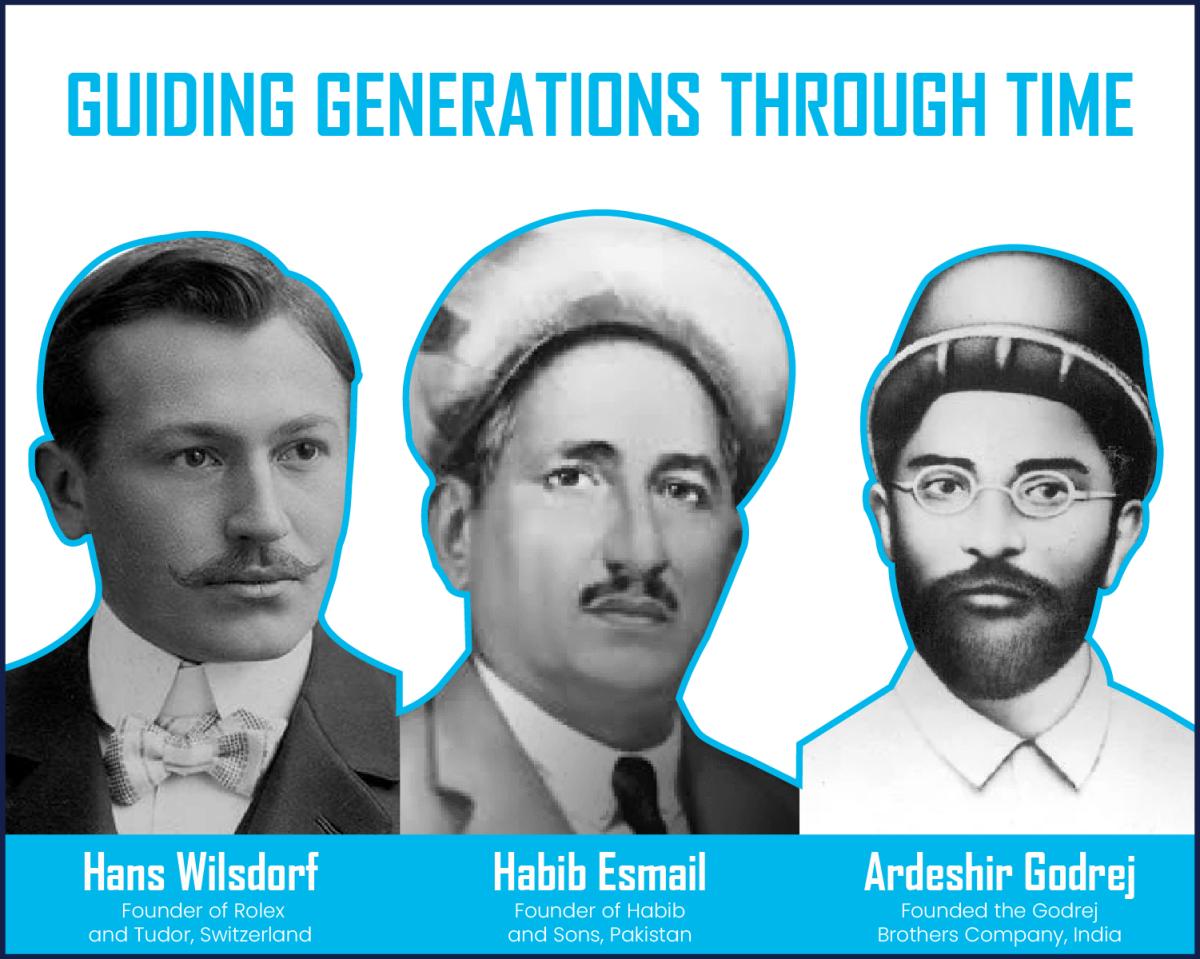
Pakistan offers a compelling example through the Habib family and their long-standing contribution to the banking and financial sector. Habib Esmail began the Habib business story in the trading centers of Bombay before the creation of Pakistan. The family later played a central role in the establishment of Habib Bank which became one of the most significant financial institutions in the country. Over time the Habib legacy expanded into multiple business groups and financial ventures yet the underlying philosophy of trust discipline and institutional development remained constant.
What distinguishes the Habib legacy is not simply commercial achievement but the reputation for integrity that has accompanied it across generations. In the financial sector trust is the most valuable currency and the Habib name gradually became associated with reliability and professional conduct. Through changing political climates and economic challenges, the family maintained a commitment to institution building. Their role extended beyond business operations into philanthropy education and national development initiatives. Much like a lighthouse the Habib legacy provided a steady signal of stability in a sector that often experiences turbulence.
India offers another remarkable example through the Godrej family whose business journey began in the late nineteenth century when Ardeshir Godrej established a small lock manufacturing venture in Bombay. What started as a modest industrial initiative gradually evolved into one of India’s most respected business groups with interests spanning consumer goods appliances real estate agriculture and chemicals. Over more than a century the Godrej enterprise has been guided by successive generations of the founding family who emphasized ethical conduct innovation and social responsibility.
The Godrej Group is widely recognized for embedding sustainability and community development into its corporate philosophy. Large portions of the company’s land and resources have been preserved as ecological zones around Mumbai while the family has consistently invested in social initiatives and urban development programs. Through this long-term commitment, the enterprise developed a reputation that goes far beyond manufacturing or consumer brands. It became a trusted national institution that contributes to environmental stewardship economic development and community welfare.
Switzerland offers another striking illustration through the story of Rolex. Known globally for precision watchmaking and luxury craftsmanship the company is also recognized for its unique ownership structure. Rolex is owned by a charitable foundation created by its founder Hans Wilsdorf. Profits generated by the company are reinvested into the foundation which supports social initiatives cultural institutions and educational projects.
This structure has enabled Rolex to operate with remarkable independence and long-term vision. Without the pressure of short-term shareholder demands the company focuses on craftsmanship innovation and brand integrity. At the same time its financial success contributes to social development through the foundation’s philanthropic work. The result is a rare example of a commercial enterprise that functions as a guardian of both economic excellence and social responsibility.
These examples from Pakistan India and Switzerland demonstrate how family enterprises can evolve into guiding institutions when their leaders adopt a long-term perspective. Such businesses recognize that wealth and influence carry responsibilities that extend far beyond profit. They invest in governance systems philanthropy and institutional continuity that will outlast any single generation of leadership.
For family businesses the transition from enterprise to institution requires a shift in mindset. Founders and successors must view themselves not simply as owners but as custodians of a legacy. Decisions are evaluated not only by their immediate financial return but also by their effect on reputation, social contribution and generational continuity. When this philosophy takes root, the business begins to radiate trust much like the steady beam of a lighthouse.
A lighthouse does not move with the tides yet it guides those who must navigate them. Similarly, the most respected family businesses stand firmly anchored in values while helping industries communities and future generations find their way forward. When an enterprise achieves this level of purpose it no longer exists merely as a business. It becomes an enduring institution whose light continues to guide long after its founders are gone.